
June 2026
A space for those who feel called to study the ancient wisdom as guardians of this living practice.
Yin and Yang of Okinawa
- Saiko=Most exciting, wonderful moment:最=Most高=Hight :Connected with ocean and the coach.
- 体を見えないものから守ること Potect from unseen in nature, respect for nature.
- 生きる道
- Okinawa Shisa Mayoke
シーサーは沖縄の守り神
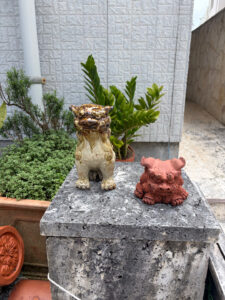
Okinawa Shisa Mayoke 
Okinawa Shisa Mayoke 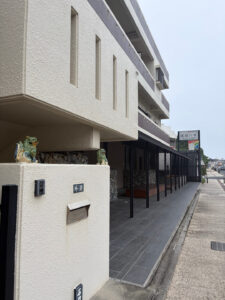
贈り物
- ありがとう
- 送りたくないもの
Health during traveling
- Herb
- Spirit
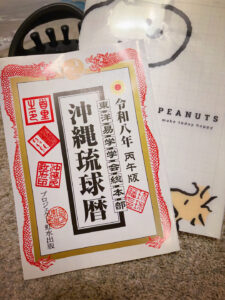
Aiki Method Spirit Guide - Movement Creation
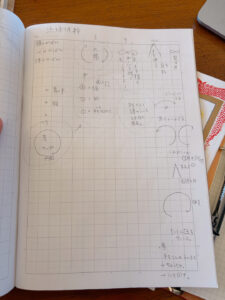
Okinawa Movement - Movement Analysis (Lung, Large Intestine, Small Intestine Channel).
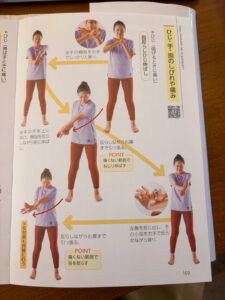
Yagami Seitai Exercise - Breathing exercise by Yo Reina
- Tools

Japanese Health Tools – Aiki Method Swollen foot from airplane rides

Health Tools Aiki Method
Oka-sensei
苦しさの原因は責任や時間ではなく、心の育て方を教わらなかったことにある。現代の学びは順番が逆で、情緒が育つ前に知性を道具として使うため、心が縮んで苦しくなる。心を育てるとは、感じる力を先に育て、知性を後に動かす順番を守ることである。
1. 情緒が先で知性は後 情緒(美しいと感じる力)が育って初めて知性は方向を持つ。感動 → 問い → 探究という順番があり、情緒は方向を決め、知性はその方向に進む力。両方必要だが、育てる順番が大切。
Jocho first, Intellect later. Jocho feels the beauty>>Ask a question>>Research the topic. Intellect is used as a power to move in the direction Jocho sets.
2. 苦しさは心が縮んでいるサイン 苦しさは外の条件ではなく心の状態から生まれる。損得の計算ばかりだと心は自分の内側にだけ向き、縮む。関心が外に向いた瞬間、心は広がり、同じ仕事量でも判断が早くなる。
Suffering arises not from external conditions but from the state of the heart. When the mind is consumed by calculations of gain and loss, it turns only inward and contracts.
3. 好奇心は鍛えるものではなく守るもの 好奇心は誰にでも元々あり、問題は失われること。「答えを使うこと優先」と「知らないことへの恥」が好奇心を抑える。「なぜ」と思う瞬間こそ好奇心が生きている証拠で、その瞬間を大切にする習慣が鍵。
Curiosity is not something to train but something to protect
4. 学びは量ではなく深さで残る 量を優先すると疑問を持つ前に次へ進み、情報は上書きされる。「なぜそうなのか」という一段が表面と深さの分かれ目。納得した知識は何十年も使える形で残る。
Learning endures through depth, not quantity
5. 自己中心から離れるほど判断は鋭くなる 自分の利益を最優先にすると情報の受け取り方が歪み、判断も歪む。これは道徳ではなく認識の仕組みの話。自分への執着(視野を狭める)と自分を大切にすること(状態を正確に把握する)は別物。
When you put your own interests first, the way you receive information becomes distorted, and so does your judgment.
6. 休むことで心が育つ 心が育つのは動いている時間ではなく、受け取った情報を内側で整理する静かな時間。整理されない情報は重荷になる。休むことは思考を止めることではなく、思考が深まる条件を整えること。
The heart grows through rest
7. 心が育つとは、感じる範囲が広がること 心が育つとは知識が増えることでも強くなることでもなく、感じられる範囲が広がること。感じる材料が増えると判断の精度が上がる。自分と直接関係のないことに関心を向ける習慣が範囲を広げる。完成はなく、広がる余地は常にある。
For the heart to grow is for the range of what one can feel to widen
結びの連鎖
情緒が土台 → 好奇心が守られる → 問が生まれる → 学びに深さが出る → 自己中心から離れた判断ができる → 休む意味が変わる → 感じる範囲が広がる。この連鎖そのものが「心が育つ」ということ。順番を戻すことは今日からでき、まず今日感じた小さな反応を判断の材料として一段掘り下げてみることが提案されています。
Jocho is the foundation →
curiosity is protected →
questions arise = Space →
depth emerges in learning →
judgment with less self-centeredness →
resting →
the range of what one can feel expands.
This chain is for Jocho to grow.
Try This!
第1の教え(情緒が先) 今日「いいな」と思った瞬間を一つ思い出し、なぜそう感じたかを一段だけ掘り下げてみる。
(Sensibility comes first) — Recall one moment today when you thought “that’s nice,” and dig just one level deeper into why you felt that way.
第2の教え(苦しさは心が縮むサイン) 今日一度だけ、損得を考える前に動いた場面を思い出し、その後に自分の心がどう動いたかを確かめてみる。
(Struggle is a sign the heart is contracting) — Recall one time today when you acted before weighing gain and loss, and afterward check how your heart moved.
第3の教え(好奇心は守るもの) 「なぜ」と思った瞬間を一つ、すぐに答えを調べずそのまま保留にして、頭の中に置いたままにしてみる。
(Curiosity is something to protect) — Take one moment when you thought “why?” and, rather than looking up the answer right away, leave it on hold and keep it sitting in your mind.
第4の教え(学びは深さで残る) 今日学んだことの中から一つ選び、「なぜそうなのか」を一段だけ深く考えてみる。
(Learning remains through depth) — Choose one thing you learned today and think just one level more deeply about “why it is so.”
第5の教え(自己中心から離れる) 最近うまくいかなかった場面を一つ思い出し、相手の立場から見るとどう見えたかを一分だけ想像してみる。
(Moving away from self-centeredness) — Recall one recent situation that didn’t go well, and spend just one minute imagining how it looked from the other person’s point of view.
第6の教え(休むことで心が育つ) 今日15分だけ、何も受け取らない時間を意図的に作ってみる。
(The heart grows through rest) — Deliberately make 15 minutes today when you take nothing in.
第7の教え(感じる範囲が広がる) 今日一つだけ、自分と直接関係のない出来事に30秒だけ関心を向け、自分ごととして想像してみる。
(The range of what you feel expands) — Once today, turn your attention for just 30 seconds to an event that has no direct connection to you, and imagine it as if it were your own concern.
「今日感じた小さな反応(美しいと思った/違和感があった/なぜかほっとした)を無視せず一段だけ掘り下げる」
Yu 悠
悠(ゆう) — 「攸(ゆう)」を音符とし、「心」を加えた形声文字です。「攸」はもともと水が静かに長く流れるさまを表し、そこに「心」が付くことで、心がはるか遠くに及ぶ、ゆったりと遠い、という意味を持つようになりました。「遠い・はるか」「ゆったりとして長い」の両方の語感を含みます。
“攸” originally depicted water flowing quietly and at length; by adding “心,” it came to mean the mind reaching far into the distance. It carries both senses: “distant/far-reaching” and “unhurried and long.”
Oka-sensei recounts that when he was asked to name his newborn nephew, he realized that a word he loved—one that depicts a state of the heart—had been removed from the list of common characters, and he felt concern for the future of the Japanese people. Yū (悠) was one of the characters dropped from the common set taught in elementary school.
第1章 失われた霊性──文明の影
戦後、日本は「科学的・論理的・効率的であること」を正しさと信じて豊かさを追求した。その裏で、古来の「感じる力」=霊性が静かに失われた。岡は「学問が人を離れ、人間を育てなくなった」と嘆く。計算の速さと暗記ばかりが評価され、子供が持っていた知への前のめりの心を、教育がかえって枯らしていく。
Postwar Japan pursued prosperity, believing that being “scientific, logical, efficient” was right. Beneath that, the ancient “power to feel” — spirituality — quietly vanished. Oka lamented that “scholarship left the human being behind.” Schools valued only speed of calculation and memorization, withering the childlike eagerness for knowledge they were meant to nurture.
第2章 霊性の正体──心の最奥にひらく直観
ある春、山道で谷に差す光が霞に溶けるのを見て、岡は理由もなく涙した。彼はこれを説明しようとせず、霊性を語る原点とした。仏教の「空」に重ね、固定した自分は本来なく、すべては移ろう。自我が風景に溶けるとき、言葉も思考もいらない深い安心が訪れる。
One spring, watching light dissolve into haze on a mountain path, Oka wept for no reason. He never explained it, treating it as the origin point of spirituality. Linking it to the Buddhist “emptiness” (kū): there is no fixed self; all things shift. When the self dissolves into the landscape, a deep peace arrives needing neither words nor thought.
第3章 直観と空──数学と仏教が示す統合知
数学は冷静な論理だと思われがちだが、岡の美しい発見はすべて「感じた」瞬間に訪れた。霧の中の形がぱっと鮮明になる──「情緒が先で、論理は後」。彼はこれを仏教の第九識(阿摩羅識)に眠る霊性と結びつけた。同じ働きは画家の筆、陶芸家の手、茶の湯や能の「間」にも流れている。
Math is assumed to be cool logic, yet Oka’s beautiful discoveries all came in moments of “feeling” — a shape snapping into clarity from fog: “Feeling first, logic after.” He tied this to spirituality sleeping in the Buddhist ninth consciousness (amala-vijñāna). The same working flows in a painter’s brush, a potter’s hands, and the “ma” of tea ceremony and Noh.
第4章 知の独走──霊性を失った文明への警鐘
「頭では本当に大切なことはわからない」。便利さは極まっても心は満たされず不安と孤独に覆われる。原因は霊性の喪失。それは環境破壊、「気づかい」文化の衰退、言葉が軽くなり人を傷つけることに現れる。岡は希望を若者でなく、静けさをまだ覚えている年配世代に託し、「言葉でなく姿で示せ」と説く。
“The head cannot grasp what truly matters.” Convenience is perfected, yet hearts stay unfilled, covered by anxiety and loneliness — caused by lost spirituality. It shows in environmental destruction, the decline of a “caring” culture, and words turned light and wounding. Oka entrusts hope not to the young but to elders who still remember stillness: “Show it not in words, but in your way of being.”
第5章 言霊と日常──霊性を取り戻す小さな実践
回復に特別な場所はいらない。深い呼吸、数分の静坐で「声なき声」が浮かぶ。感じようとしすぎず、そっと迎えること。もう一つは「言葉の響き」。「ありがとう」を毎日丁寧に唱えると呼吸が深まり心が落ち着く。言葉を丁寧に発することは祈りに似て、日々の言葉に霊性がにじみ出る。
Recovery needs no special place. Deep breathing and a few minutes of stillness let the “voiceless voice” surface — receive it gently, without forcing. The other practice: the “resonance of words.” Reciting “arigatō” carefully each day deepens the breath and calms the heart. Speaking words with care resembles prayer; spirituality seeps out through everyday words.
Ma
「間」は、日本の美意識を語るうえで欠かせない概念で、何もない空白・沈黙・余白そのものに積極的な意味を持たせるという考え方です。西洋的な発想では「空白=埋めるべきもの、何もないところ」と捉えられがちですが、日本の「間」はその逆で、空白こそが表現の本体になりうる、と考えます。
岡が能の「間」に霊性を見たのは、それが「論理や言葉では埋められない領域」だからです。彼の「情緒が先で、論理は後」という思想と地続きで、説明し尽くせない沈黙のなかにこそ、心に直接触れる何かが宿る、と捉えていました。前章の「ありがとう」の話で出てきた、言葉と音のあいだの沈黙が響きを際立たせる、という指摘もこの「間」の感覚です。
It’s an ideogrammic compound (会意文字), combining 門 (“gate”) and 日 (“sun”). But in older forms, the element inside was not 日 but 月 (“moon”). The character depicted moonlight slipping in through the gap between the doors of a closed gate — so its original meaning was “gap” or “space between.”
From this image, it came to refer to whatever lies “in between,” both spatially and temporally. The reason “ma” can apply to a room (茶の間, the tea room), to a temporal interval (the “ma” of Noh), and to silence alike is that this core meaning runs consistently through all of them.
it is a domain that logic and words cannot fill. This flows directly from his thought that “feeling comes first, logic after”: he held that within a silence that cannot be fully explained dwells something that touches the heart directly.
1. 心は情で動き、思考は後から整う 人は考えてから動くと思いがちだが、順番は逆。心がある方向へ傾き、思考は後から理由を並べる。やる気で押すのはこの順番を無視すること。何かを始める前に「今どんな情を動かそうとしているか」と問うとよい。
The heart moves by Jocho; thought settles afterward. People assume they think first and then act, but the order is reversed. The heart leans in a direction, and thought lines up reasons after the fact. Pushing with willpower ignores this order. Before starting something, ask: “What feeling am I trying to set in motion right now?”
2. 余白のある心が物事を見抜く 集中とは隙間を埋め尽くすことだと思われがちだが、判断に必要な情報ほど静かなところに現れる。余白とは怠けることではなく、今していることに飲み込まれすぎない距離。これが「これは本当に必要か」という立ち止まりを生み、誤りを避ける。
A heart with Ma sees through things. Concentration is assumed to mean filling every gap, yet the information needed for judgment appears in quiet places. Ma is not laziness but the distance that keeps you from being swallowed by what you’re doing. It produces the pause — “is this really necessary?” — that helps avoid mistakes.
3. 春の心は損得を一度忘れる 損得の計算は心を固くし、自分を守ることが中心になる。入口の一瞬だけでも損得を横に置き、対象そのものに心を向ける。役に立たないように見えるものの中にこそ深い秩序が隠れている。計算は後から戻ってくればいい。
The spring-like heart forgets gain and loss for a moment. Calculating gain and loss hardens the heart, making self-protection central. At least for the instant of entry, set gain and loss aside and turn your heart toward the thing itself. Deep order is often hidden in what looks useless. The calculation can quietly return afterward.
4. 不安をほどくと心が勝手に動く 動けない原因の多くはやる気不足ではなく不安の過剰。前へ進む力が弱いのではなく、ブレーキが強くかかっている。必要なのは「もっと頑張れ」ではなく、「今何が一番不安か」を言葉にして小さく分けること。
Loosen anxiety and the heart moves on its own. Most often the reason you can’t move isn’t a lack of mind but an excess of anxiety — not a weak forward force, but a brake pressed hard. What’s needed is not “try harder” but putting into words “what am I most anxious about right now?” and breaking it into smaller pieces.
5. 比較をほどくと情が深まる 比較は方向ではなく差だけを映し、遅れか先かしか気にならなくなる。対象そのものへの親しみが薄れ、心は冬へ戻る。心がざわついたら「今何と比べているか」を確かめ、「昨日までの自分と比べたらどうか」と視線を切り替える。
Loosen comparison and Jocho deepens. Comparison reflects only difference, not direction, until all you notice is whether you’re behind or ahead. Closeness to the thing itself fades, and the heart returns toward winter. When your heart stirs, check “what am I comparing myself to?” and switch your gaze to “how do I compare with who I was yesterday?”
6. 静かな反復が心の形をつくる 心に残るものを作るのは一度きりの高ぶりではなく、小さな動きの静かな繰り返し。ただし機械的な反復ではなく、毎回「これは何だろう」という問いを伴うもの。進んだ量より「戻ってきた回数」を意識する。
Quiet repetition shapes the heart. What leaves a lasting mark is not a one-time surge but the quiet repetition of small movements — not mechanical repetition, but one carrying the question “what is this?” each time. Be aware less of how far you progressed than of how many times you returned.
7. 心を外へ向けると春が訪れる 悩みが深くなるほど心は内側に閉じる。「自分は」という問いが増えるほど心は冷えていく。心の春は外の世界とのやり取りの中で温まる。心が重いと気づいたら、自分の外で起きていること(人の声、空の色、風の感触)に判断せず目を向ける。
Turn the heart outward and spring arrives. The deeper the worry, the more the heart closes inward. The more the question “what about me” multiplies, the colder the heart grows. The heart’s spring warms through exchange with the outer world. When you notice your heart is heavy, turn — without judging — to what is happening outside you: a voice, the color of the sky, the feel of the wind.
終章
心は「情で動き、余白で見抜き、損得を忘れ、不安をほどき、比較から離れ、静かな反復で形を持ち、外へ向かう」とき、春に近づく。やる気に頼る生き方は短距離の全力疾走、春の心に従う生き方は長い道を歩く旅に近い。大事なのは別人に変わることではなく、今の自分の状態を少し正確に眺められるようになること。春の心は特別な才能ではなく、すでに持っている情をどう育てるかの問題です。
The heart nears spring when it moves by Jocho, sees through with Ma, forgets gain and loss, loosens anxiety, steps away from comparison, takes shape through quiet repetition, and turns outward. Living by mind is like sprinting a short race; living by the spring-like heart is closer to walking a long road as a traveler. What matters is not becoming a different person overnight, but coming to view your own current state a little more accurately. The spring-like heart is not a special talent — it’s a question of how you cultivate the feeling you already have.
Iwakan 違和感
違(い/I) — ちがう・そむく / to differ, to go against. To deviate from the proper state.
和(わ/WA) — やわらぐ・調和 / harmony, balance. The naturally harmonious state.
違和(いわ/IWA) — 調和に背く=「本来の調和から外れた状態」/ “out of harmony.” Originally a classical medical term meaning bodily disharmony or feeling unwell, rooted in the East Asian concept of balance (和) being disrupted.
感(かん/KAN) — 感じる・感覚 / sensation, to feel.
違和感(いわかん/IWAKAN) — 調和を欠いた、しっくりこない感覚 / the sensation that something is out of harmony; a feeling that something is “off.”
Notes: Unsetteled
多くの人は賢さを頭の良さ(早い計算、知識量)だと思っている。だが本当の賢さとは「全て分かった」と言えることではなく、「分からないけれど、ここに違和感がある」と言えることだ。違和感とは情緒が出す最初の信号で、まだ言葉にならないが「このまま進むとどこかが歪む」という予感。頭の良い人ほど理屈で違和感を押し潰し、説明できないものを「気のせい」と片付けてしまう。だがそのたびに心の中心は鈍っていく。賢さとは、この信号を打ち消さず受け止める力です。
True wisdom isn’t saying “I understand everything” — it’s being able to say “something feels off here. Iwakan” Unease is jōcho’s first signal; the clever crush it with logic, dulling the heart each time.
7つの教え
1. 最初の小さなザラつきを見逃さない 心にはいつも先に「感じ」が来て、後から言葉や理屈が追いつく。違和感は心が出す最初の警告音。賢さとはその音量を上げることではなく、小さな音のまま聞き逃さないこと。静かな池に落ちた小石の波紋のように、外の音(情報・評価・急ぎ)が大きいと消えてしまう。まず風を弱め、水面を静め、それから波紋の出所を探す。「今違和感を感じた/どの場面か/今日は結論を出さない」と心の中で短く確かめるだけでいい。
Don’t overlook the first roughness. Feeling comes before words. Like ripples in a pond, unease vanishes amid noise — quiet the surface first, then find its source.
2. 違和感の「源」を見分ける 違和感はいつも正しいとは限らない。これを取り違えると賢さはただの神経質になる。ザラつきには、体の疲れから来るもの、過去の傷の反応、そして今ここで本当に何かが歪んでいる信号の3種類がある。岡は数学の行き詰まりにも、休めば消えるもの(眠さ)と、休んでも残るもの(考え方が根本的に間違っている)があると気づいた。「体の声か/昔の傷か/今ここでか」を順に問う。残る方の違和感だけが新しい道への入り口になる。
Distinguish its source: fatigue, old wounds, or a real here-and-now signal. Only the unease that survives rest opens a new path.
3. 行き詰まりを「温度」として感じておく 違和感はいきなり大きくは来ない。最初は少しだけ気になる。ストーブの部屋のように、夢中だと「少し暑い」を見逃し、耐えられなくなって初めて気づく。賢い人は「もう無理」と叫ぶ前の小さな「少し暑い」を拾う。行き詰まりは失敗ではなく、情緒が見せる限界の温度計。早く気づけば小さな調整(窓を開ける、火を弱める)で済む。全部を変えず、温度が上がり始めた一箇所だけを少し変える。
Feel the impasse as rising temperature. Catch the “a bit hot” before “I can’t take it” — early notice means a small adjustment is enough.
4. 調和を知ることで違和感が分かる 違和感ばかり探すと心は疲れ、世界の全てが尖って見える。賢さは欠点を見抜く力ではなく、「これは自然だ、無理がない」という調和の感覚を同時に持つこと。調和をよく知っているからこそ、その反対が分かる。人は好きなもの(音楽・景色・人)に最も敏感になる。岡は奈良の山里で「何もおかしくない」という感覚を溜めた。まず自分にとっての自然さを知る。それが違和感を測る物差しになる。
Knowing harmony reveals unease. Knowing what feels natural becomes the measuring stick for what feels off.
5. 他人の正しさより自分の違和感を基準にする 「みんながいいと言っている」「専門家がこう言う」の前で、自分の小さな違和感はたちまち声を失う。だが賢さは多数の正しさに合わせる力ではなく、「それでもここはおかしい」と感じ続ける力。岡は外国暮らしで、皆が競争を当然とする中、何か大切なものが削られる違和感を押し殺さなかったからこそ「日本人の情緒とは何か」を問う道に入った。外側のメモリ(社会の期待)と内側のメモリ(心が耐えられる範囲)を見比べ、内側をゼロにはしない。
Weigh the outer gauge (others’ correctness) against the inner one (what your heart can bear) — and never set the inner one to zero.
6. 違和感をすぐ結論にせず「問い」に変える 違和感を大事にしようとすると、「違和感がある=これは悪い」とすぐ決める危険が生まれる。早すぎる結論は世界を狭くする。一枚の絵の不自然な影のように、影一つで全体を否定せず「なぜここに影があるのか」と問い続ける。人間関係なら「どの部分(話題・時間の長さ・頻度・役割)で疲れるのか」と部分に目を向ける。すると必要なのは絶交ではなく付き合い方の調整だと分かる。違和感は世界を切り捨てる刃ではなく、接し方を調整する合図。
Turn unease into a question, not a verdict. Ask “which part tires me?” — the need is usually adjustment, not severance.
7. 違和感を「長い道の方位磁針」として使う 最後に大切なのは、違和感を一度きりの合図ではなく長い道の方位磁針として持つこと。情緒は本来、1日や1回ではなく「しばらく続けた時の全体の感じ」を測ろうとしている。山道のコンパスの針は風や枝で一瞬揺れるが、じっと見れば必ずある方向に落ち着く。1日の機嫌で道を変えず、数週間・数ヶ月、同じ方向に針が触れ続けるかを見る。岡も研究で、何度も同じ壁に当たるならその道そのものが違うと判断した。
Use unease as a compass for the long road. Don’t change course over one day’s mood — watch which way the needle keeps tilting over months.
終章
すべての教えは同じ中心を向いている。賢さとは「全部分かった」という力ではなく、「ここに小さな違和感がある」と言える静かな勇気であり、その違和感と逃げずに付き合い続ける根気だ。岡は3つの実践を残す。①一日のうちザラついた瞬間に「今違和感を感じた」と心の中で短く言う(理由は考えなくていい)。②同じ違和感が3回続いたら結論を変えず「どの部分が自分をすり減らすか」と問い、小さな調整を一つ試す。③月に一度、情緒の方位を確かめる時間を持つ。情緒は弱さでも厄介な感覚でもなく、目が光を、耳が音を感じ取るように「自分に合うか合わないか」を感じ取る、人として生きるための中心の器官です。
Wisdom is the quiet courage to say “there’s a small unease here” and the patience to stay with it. Jōcho isn’t weakness — it’s a core organ sensing what fits you, like the eye senses light.
Kodoku
孤独の中でこそ問いは本物になる
孤
「子」+「瓜(か)」から成る形声文字。瓜は音を表すと同時に、ぶら下がる果実のイメージを伴います。本来の意味は親を失った子、みなしご。
A phono-semantic compound of “child” and 瓜 (“melon”), carrying the image of a lone fruit on the vine. Original meaning: an orphan.
独(獨)
旧字は「獨」。「犬(犭)」+「蜀(しょく)」の形声文字。蜀は音を表しますが、字源には犬は群れず単独で行動するという観察が重ねられているとされます。
The old form combines “dog” with 蜀 (for sound), reflecting the idea that dogs move alone rather than in herds—single by nature, not cut off from outside.
「孤」は繋がりが断たれた状態=講義でいう**孤立(isolation)**に近い。本来あるはずの関係の欠落です。
「独」は自ら単独であるありよう=講義でいう**孤独(solitude)**の能動性に近い。誰かに切られたのではなく、犬が群れないように、それ自体としてひとつである。
導入:繋がるほど薄まる思考
人と話した後、頭の中にあった問いが輪郭を失っていた──そんな経験から講義は始まる。私たちは「繋がるほど思考が深まる」と信じているが、その逆もまた仕組みとして存在する。人は会話の中で無意識に相手の期待に合わせ、受け取りやすい言葉を選ぶ。その瞬間、自分の問いは後回しにされ、繰り返されるうちに他人の関心が混じった問いへとすり変わっていく。孤独に帰ることは逃げではなく、自分の問いを取り戻す作業である。
Returning to solitude isn’t retreat—it’s the work of reclaiming a question that was quietly reshaped by others.
1. 問いは孤独の中で本物になる
問いには内側から湧いたものと、外の空気から流れ込んだものがある。外からの問いを追っても、たどり着くのは既に誰かが出した答え──発見ではなく確認に過ぎない。情緒とは何かを感じ取る内側の制度であり、それは静かな一人の時間の中でのみ磨かれる。
A question borrowed from the air around you only leads to answers someone else already found. The questions that are truly yours are sharpened only in solitude.
試してみる:今ある問いを一つ思い浮かべ、誰かに話すなら「何を省略するか」を考える。省略したくなる部分こそ、その問いの核。
2. 他者の言葉が思考の形を変える
人の考えを聞いた瞬間から、それを基準に自分の思考を組み立て始める。他人の地図の上を歩いても、他人が見つけた場所にしか着けない。
The moment you hear another’s thought, it becomes the ground you build on. Walk someone else’s map and you only reach where they have already been.
試してみる:今日、誰かの意見を聞いた後に自分の考えがどう変わったか、それが自分の判断か受け取った言葉に引っ張られたものかを静かに振り返る。
3. 孤独は孤立とは全く別のことである
孤立は外から遮断され受け身で力を失う状態。孤独は自分で選んで作る静けさで、能動的だ。一人でいて不安になるのは孤独そのものからではなく、自分の問いを持っていないから。孤独は上層(美しいものに感動し、真実に触れたときに内側が響く力)を守る条件となる。
Isolation is being cut off; solitude is something you choose. The fear of being alone is really the fear of having no question of your own to sit with.
試してみる:今日一人だった時間に何を考えていたか思い出す。会話中には出てこなかった問いや感覚があれば、それが上層の動いた証。
4. 評価を求めるとき思考は止まる
伝えようとした瞬間、目的が「問いに答える」から「相手に伝わる」に切り替わる。よく見られたい気持ちがあると、思考は批判されにくい安全な結論へ向かい、まだ言葉にならない荒削りの問いは切り捨てられる。
Once you seek approval, thinking quietly redirects itself toward what others will accept. The rough, unfinished question is discarded before it can take shape.
試してみる:今日話した内容と、話す前に頭の中にあった内容を静かに比べる。何を省き、何を言い換えたかに気づく。
5. 理解とは言葉にする前の感覚である
理解には順番があり、感覚が先で言葉が後からつく。直感とは根拠を説明できない段階で答えの方向が見える感覚で、言葉にしようとした瞬間に変形してしまう。感覚が先に正しい方向を示し、論理が後から根拠を確かめる。
Understanding has an order: the felt sense comes first, words follow. Sensing points the way, and logic only confirms the ground afterward.
試してみる:深く理解しかけたと感じたら、すぐ言葉にせず、その感覚のままもう少し持ち続ける。
6. 繋がりの量が核を薄める
人と関わるたびに他人の関心が積み重なり、やがて自分本来の関心との区別がつかなくなる。繋がりの多さは思考の活発さと同じではない。
With each connection, others’ concerns settle inside you until you can no longer tell which interests were ever your own. More connection is not more thought.
試してみる:今日の会話で、自分から出た話題と相手に合わせて出た話題を静かに区別する。
7. 本質は静かさの中にある
本質は目立たず、表面の奥にある。情報を増やすことは表面を増やすことで、本質に近づくのは「何を見ないか」を決める取り除く作業による。考えが最も深まる瞬間は、何もない静かな時間に突然訪れる。
Essence is quiet and lies beneath the surface; adding more information only adds more surface. You approach it not by gathering but by deciding what not to look at.
試してみる:今日最も静かだった時間に何かを感じ取っていたか確かめる。その時に浮かんだことと会話中に出た考えを並べ、どちらが自分の問いに近いかを問う。
Kijyun (Standard) & Handan (Judgment)
基
「土」+「其(き)」から成る形声文字。其は音を表すとともに、もとは**箕(み、穀物をふるう四角い農具)**を描いた象形で、四角くどっしりした形のイメージを伴います。「土」と合わさって、建物の土台、いしずえを本義とします。そこから「物事の根本・よりどころ」へ広がりました。
A phono-semantic compound of “earth” (土) and 其, which supplies the sound and originally depicted a square winnowing basket—lending the image of something square and solid. Its core meaning is the foundation of a building, hence “the root or ground of things.”
準(準)
「水(氵)」+「隼(じゅん)」から成る形声文字。隼は音を表します。「水」を含むのが要で、水面が水平になる性質から、本義は水盛り(みずもり)=水平を測る道具、転じてたいら・ものさし・よりどころを意味します。
A phono-semantic compound of “water” (氵) and 隼 (for sound). The water radical is key: from the way a water’s surface settles perfectly level, its original meaning was a leveling instrument, hence “the level, the measure, the standard.”
→ 基準は「どっしりした土台(基)」+「水平を測るものさし(準)」。ぶれない拠りどころと、それで水平=是非を測る尺度という二つのイメージが重なった語です。岡の言う「内側に基準を持つ人は外が変わっても揺れない」は、まさに水盛りが常に水平を示すこの字義と響き合います。
判
「刀(刂)」+「半(はん)」から成る形声文字。半は音を表すと同時に「半分」の意を兼ね、字源には刀でまっぷたつに分けるというイメージが重なります。本義は分ける・見分ける。そこから「物事の是非・真偽を見分ける」へ広がりました。
A phono-semantic compound of “knife” (刂) and 半, which gives both the sound and the sense of “half”—carrying the image of cutting cleanly in two with a blade. Its core meaning is to divide, to distinguish; hence “to discern right from wrong.”
断(斷)
旧字は「斷」。「斤(おの)」+「𢇃(糸を切る形)」から成り、斧で繊維(糸)を断ち切るさまを表します。本義はたちきる。そこから「きっぱり決める・見極める」へ広がりました。
The old form 斷 combines “axe” (斤) with a shape depicting cut threads—the image of severing fibers with an axe. Its core meaning is to cut off, hence “to decide decisively.”
→ 判断は「刀で見分ける(判)」+「斧で断ち切る(断)」。二つに分けて見極め、きっぱり切って決めるという、刃物のイメージで貫かれた語です。
導入:動けないのは意思の弱さではない
やる気も時間もあるのに体が動かない。多くの人はそれを意思の弱さと考え、もっと気合いを入れようとする。だがそれは違う。動けないのは、心の中に余分なもの——他人の目、失敗への恐れ、比べる習慣——が積み重なり、判断を邪魔しているからだ。基準が外にある限り、動くたびに確認が必要になり、人は必ず迷う。心の自由とは感情の解放ではなく、判断の基準を外から内へ取り戻すことである。
Being unable to act isn’t weakness of will—it’s the clutter of others’ eyes, fear, and comparison blocking judgment. Freedom of the heart is bringing the standard of judgment back from outside to within.
七つの教え
1. 情緒が判断の土台になる
判断の質は知識の量より心の状態で決まる。情緒とは感情ではなく、物事をありのままに感じ取る心の基本的な働き。怒りや焦りが情緒を濁らせると、入ってくる情報そのものが歪む。整える順序は、まず自分の心の状態に気づき、次に変えようとせずただ確認すること。
Jōcho—not emotion, but the faculty of perceiving things as they are—is the ground of judgment. When it’s clouded, the information you receive is itself distorted.
試してみる:今の感情を一つ思い浮かべ、焦りか不安か名前をつけて確認する。
2. 他人との比較が判断を鈍らせる
比べることが習慣になると基準が外へ移り、動くたびに他人の目を確認することになる。比べる対象は常に変わるため、基準も揺れ続ける。内側に基準を持つ人は外が変わっても揺れない。
When comparison becomes habit, your standard moves outside you and keeps shifting. An inner standard stays steady no matter how others change.
試してみる:今日一つだけ、他人ではなく昨日の自分と比べてみる。
3. 好きなことが思考の燃料になる
義務で動くとき思考は表面をなぞるだけだが、好きなことに向き合うと内側から問いが生まれ続ける。これが自発性——やる気ではなく、問いが内側から生まれ続ける状態だ。好きなことはその状態を作る練習の場になる。
Curiosity, not obligation, is the fuel of thought. What you love is where questions arise from within on their own—the practice ground for that state.
試してみる:好きなことを一つ思い浮かべ、その中で今一番気になっている問いを確かめる。
4. 急ぐほど判断が荒くなる
急ぐと確認の工程が省かれ、前提のずれに気づかぬまま進む。後で崩れて立て直すと、確認していた時間より長くかかる。失うのは時間ではなく精度だ。鍵は、その作業がやり直せるかを先に確かめること。
Rushing skips verification, so you build on a flawed premise that later collapses. You lose not time but precision. Ask first whether the task can be redone.
試してみる:今取り組んでいることが、やり直せる作業かどうかを先に確かめる。
5. 他人のために動くことが心を軽くする
自分のためだけに動くとき、人は常に損得や評価の計算をしてエネルギーを消耗する。他人のために動くとその計算の多くが消え、使えるエネルギーが増える。これは自己犠牲ではなく、エネルギーの使い方の話だ。
Acting only for yourself runs constant calculations of gain and reputation that drain you. Acting for others quiets much of that calculation—not self-sacrifice, but efficient use of energy.
試してみる:誰か一人を思い浮かべ、その人に何が必要かを一つだけ考える。
6. 静かな時間が思考の深さを決める
思考には情報を受け取る段階と、それを自分の中で整理する段階がある。多くの人は受け取るだけを繰り返す。静かな時間に情報の間に繋がりが生まれ、表面的な理解が仕組みとして見えてくる。
Thinking has two stages—receiving information and integrating it—and most people only repeat the first. In quiet, connections form and surface understanding becomes structure.
試してみる:今日の終わりに五分だけ入力を止め、今日考えたことを頭の中で動かす。
7. 自分の中心を知ることが自由の始まりになる
自由とは何でもできる状態ではなく、何を大切にするかが内で決まっている状態だ。選択肢が増えるほど判断のエネルギーは消耗する。中心が決まっていれば「中心に合うか」が判断を絞ってくれる。中心は自分が何に自然に反応するかを観察することで見えてくる。
Freedom isn’t having every option—it’s knowing what matters to you. A settled center narrows judgment for you, so energy remains and you can keep going deeper.
試してみる:最近、義務でもなく自然に何度も考えてしまったことを一つ思い出す。
終章
情緒、比べること、好きなこと、急ぐこと、他人のために動くこと、静かな時間、自分の中心——七つはすべて一つを指している。判断の基準を外から内へ戻すことだ。外に基準がある限り確認にエネルギーが消え、判断が重くなる。心の自由とはこの軽さのこと。今日から一つだけ、何かを判断するとき、その基準が内側にあるか外側にあるかを確かめてみる。答えは出さなくていい。確かめる習慣が積み重なるほど、判断は軽くなっていく。
Return the standard of judgment from outside to within. Freedom of the heart is not more options or released emotion—it’s that lightness, when the standard has taken root inside you.
必然的偶然
are “necessary coincidence” or “inevitable accident.”
Futsuu 普通 ーNormal
普 — to spread everywhere
会意文字。上が「並」(ならぶ)、下が「日」(太陽)。
- 上部の「並」は人が二人並んで立つ姿に由来し、「ならぶ・あまねく行きわたる」の意。
- 下部の「日」は太陽。
合わせて、**「日の光があまねく行きわたる」**さま。ここから「広く一面に・すべてに」という原義が生まれ、「あまねし」と訓じました。「普及」「普遍」がこの原義をよく残しています。
“並” (people standing side by side) + “日” (sun) → sunlight spreading over everything → “widespread, universal.”
通 — to pass through unobstructed
形声文字。「辶(しんにょう)」+「甬(よう)」。
- 「辶」は「行く・進む」を表す意符(道を行くこと)。
- 「甬」は音符であり、同時に中が空洞で突き抜けている筒状のものを表す。
合わせて、**「道を通り抜けて、つかえることなく行き来する」**さま。ここから「とおる・つうじる」の意に。
“辶” (movement along a road) + “甬” (a hollow tube one passes through) → passing through without obstruction → “to go through, to connect.”
普通 — the compound
二字を重ねると、「あまねく(普)・通じている(通)」=どこにでも広く行きわたっている。原義はむしろ肯定的で、「広く一般に通用する」という空間的なイメージでした。ここから「特別でない・ありふれた」という現代の意味へ転じます。
Together: “spread everywhere and passing through all” → “widely current,” later narrowing to “ordinary, unremarkable.”
「普通」は元々、光があまねく行きわたり(普)、つかえなく通り抜ける(通)という、開かれた伸びやかな語でした。それが「逸脱するな・平均に従え」という閉じた規範へ意味が反転しているかもしれません。
Ironically, “普通” originally evoked openness — light spreading freely, movement passing through — yet now names a closed norm.
「普通」という呪い — 適応のしすぎが人を壊す
On how the pursuit of “normal” quietly destroys the self.
七つの教え
一. 「普通でいなさい」は、静かな自己裏切りの始まり
普通に見せようとする努力こそが、最も人を壊していく。人と同じに見せるには、まず自分の個性を見えなくしなければならない。その時、最初に削られるのが感受性、次に直感、そして最後に自分らしさそのものが抜け落ちる。
Trying to look “normal” erases sensibility first, then intuition, then the self.
二. 自分を壊すほどの適応は、適応ではなく自己否定
どれだけ順応しても、正しく生きても、心の居場所が奪われていたら意味がない。苦しみを抱えながら黙っている人の多くは、言葉にできないのではなく、言葉を使えば今の立場が壊れると知っている。だから笑い、耐え、何も言わない。
Adaptation that breaks you isn’t adaptation — it’s self-denial wearing the mask of virtue.
三. 「普通の人」はいない。「普通でなければ」と思う人がいるだけ
普通であることが「正しさ」にすり替えられている。人は普通でいたいのではなく、異常と思われたくないと恐れているだけ。だがその異常の基準は、どこにも存在しない。誰が決めたのでもない平均像に、人は自分を責めて生きている。
No one is “normal” — only people who believe they must be.
四. 空気を読むとは、その場で自分を最も小さくすること
壊れかけている人ほど笑顔がうまく、苦しんでいる人ほど優しく、自分を責めてきた人ほど空気が読める。一見、美徳に見えるが、その実態は適応の副作用。自分を小さくするほど安全になるが、同時に自分という存在が見えなくなっていく。
The better you read the room, the more invisible you become to yourself.
五. 「染まる」ことと「響き合う」ことは全く別物
響き合うには自分の音を失ってはならないが、染まるには自分の色を消すしかない。自分の音を失った人は静かに自信を失い、全ての判断を他人の基準に委ねるようになる。「変じゃないか」「浮かないか」と、他人の安心を借りて自分を保とうとする。
To blend in, you mute your color; to resonate, you must keep your sound.
六. 「ちゃんとする」とは、自分を制限すること
ちゃんとしている人ほど心を病む。それは偶然ではない。正しく見えることは、愛されることよりも簡単だから。間違わないことを感じることより優先してきた結果、人は嬉しいか・悲しいか・やりたいかすら判断できなくなる。
The more “proper” someone is, the more they suffer — because looking right is easier than being loved.
七. 本当の適応とは、自分を裏切らないこと
周囲に合わせることでも、環境に飲み込まれることでもなく、どんな場所にいても自分を守り抜くことこそが適応。あなたが苦しかったのは劣っていたからでも、普通でなかったからでもなく、誠実だったから。周囲に合わせたのは優しさ、間違えまいとしたのは責任感、違和感を飲み込んだのは気配り。
True adaptation is protecting yourself anywhere — not being swallowed by your surroundings.
試してみる
- 削られたものに気づく — この一週間、「浮かないように」自分が飲み込んだ感情・意見・違和感を一つ書き留めてみる。それが、あなたが隠してきた「あなた自身」です。
- 「染まる」と「響き合う」を見分ける — ある場で疲れを感じたら問う。「自分の音を保っているか、それとも色を消しているか」。
- 自分に声をかける — 今日一日の終わりに、「よくここまでやってきた」と自分にそっと言ってみる。
1. Breath
Connect Nin-myaku/Ren Channel, Toku-myaku/Du channel
2. Saki, Sachi
Open heart to earth and sky
3. Spring
Activate Shoyo / Xiao yao channel
4. Yu
Lift and circulate
5. Yang Qiao
登って伸ばす
6. Yang Qiao 2
Interscapular
7. Upper Body
Lung and Small Intestine channels
8. Neck
9. Wing
End: Back to Tanden
Head>Chest>Tanden/Dantien
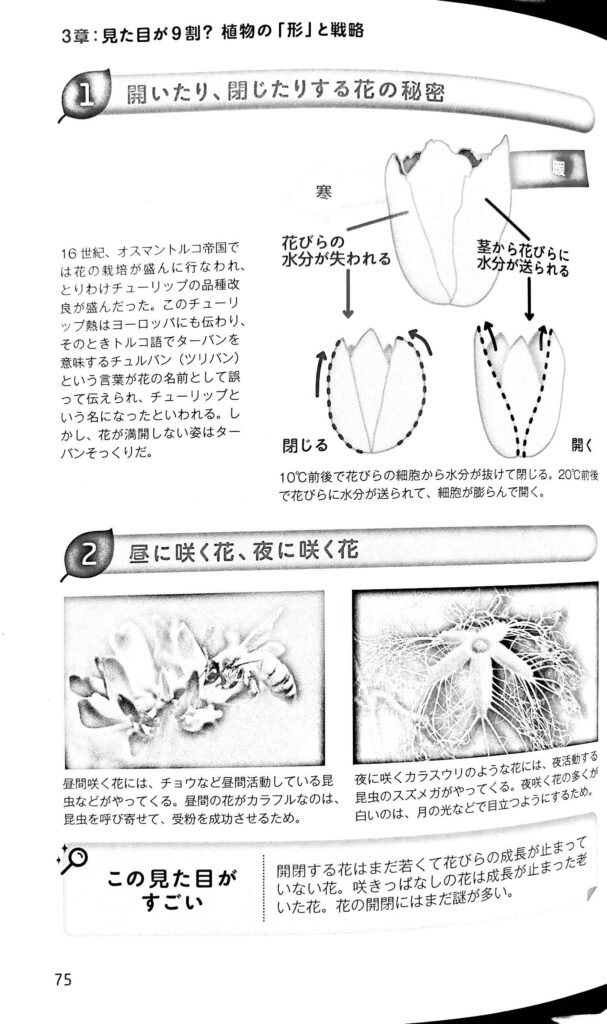
Rice and Miso soup
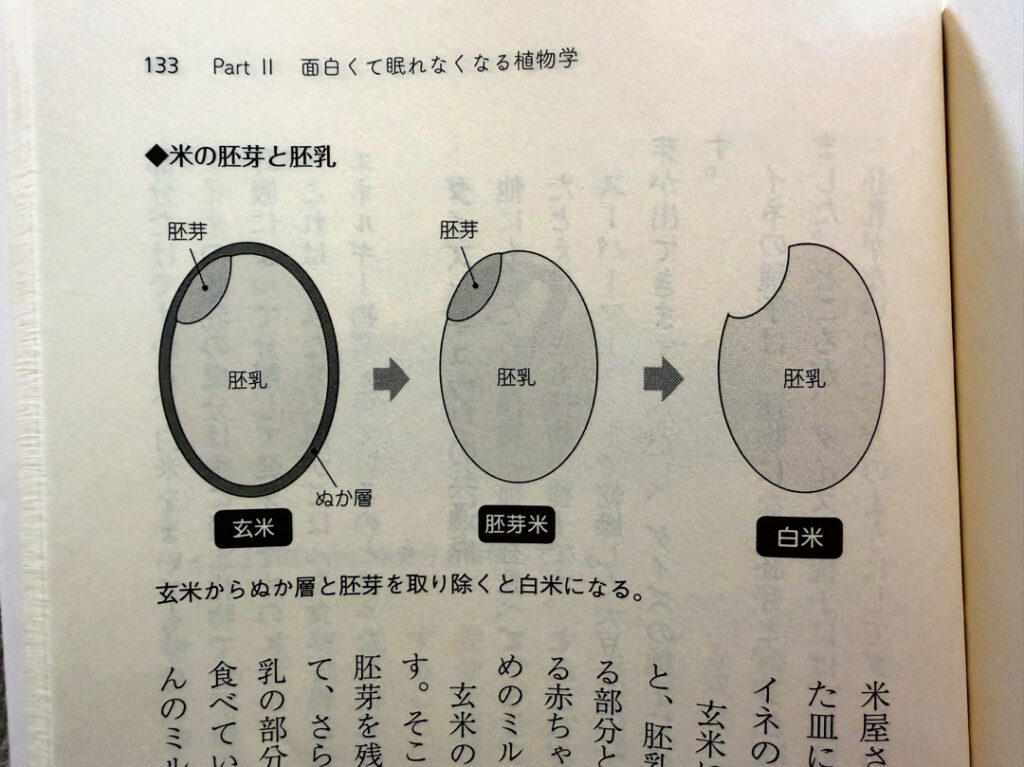
種子の構成 — The parts of a seed
胚芽 embryo / germ(将来の植物体)
the embryo or germ — the part that grows into the future plant
胚乳 endosperm(栄養を蓄える組織)
the endosperm — the tissue that stores nourishment for the embryo
種皮 seed coat / testa(外側の皮)
the seed coat, or testa — the protective outer skin
玄米(brown rice)は胚芽・胚乳・糠層(bran)を含み、精白米(white rice)はそのうち胚乳がほぼ残った状態、ということになります。
Brown rice retains the germ, the endosperm, and the bran layer, whereas white rice is milled down until little but the endosperm remains.
私たちはイネの赤ちゃんのミルクをもらって食べている。
When we eat rice, we are receiving and eating the “milk” meant for the rice plant’s baby.
炭水化物を酸素呼吸で養分にしている
breaking down carbohydrates through aerobic respiration to use them as nourishment
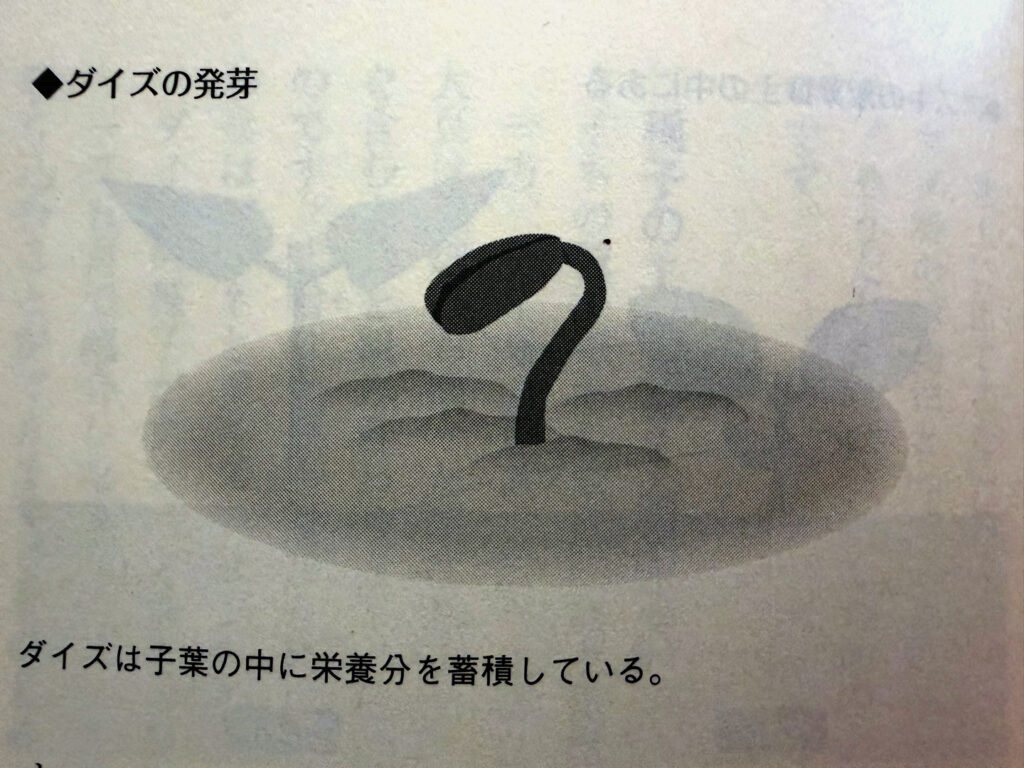
少し補足を。「葉っぱの中に栄養分を蓄積する」の「葉っぱ」は、植物学的には子葉(cotyledon)=発芽して最初に出る葉を指します。マメ科では胚乳の代わりにこの子葉が分厚くなって栄養を蓄えます——枝豆や大豆で二つに割れるあの部分です。
また「種子の中にあらかじめ窒素であるタンパク質を含んでいる」は、マメ科が根粒菌(root-nodule bacteria)と共生して空気中の窒素を固定できるため、タンパク質に富む種子を作れる、という背景とつながります。窒素はタンパク質の必須成分なので、nitrogen-rich protein という訳が内容に忠実です。
つなげて一段落にすると:
Legumes have no endosperm; they store their nourishment in the cotyledons—the seed leaves—instead. Their seeds are rich in protein, a nitrogen-bearing nutrient, from the outset. This is why the soybean has earned the name “meat of the fields.”
大豆は脂質も含みます。脂質は炭水化物の2倍以上のエネルギーになるので成長が早い。
大豆は脂質も含みます。脂質は炭水化物の2倍以上のエネルギーになるので成長が早い。
Soybeans also contain fats. Since fats yield more than twice the energy of carbohydrates, the seedling can grow quickly.
とうもろこしとかひまわりとかも同じ。
The same holds for plants like corn and sunflowers.
でも脂質を作るのに、蓄えるのにエネルギーを使う。
But producing and storing those fats costs energy in itself.
炭水化物、タンパク質、脂質を環境に合わせてうまく使う。
Plants make skillful use of carbohydrates, proteins, and fats, balancing them according to their environment.
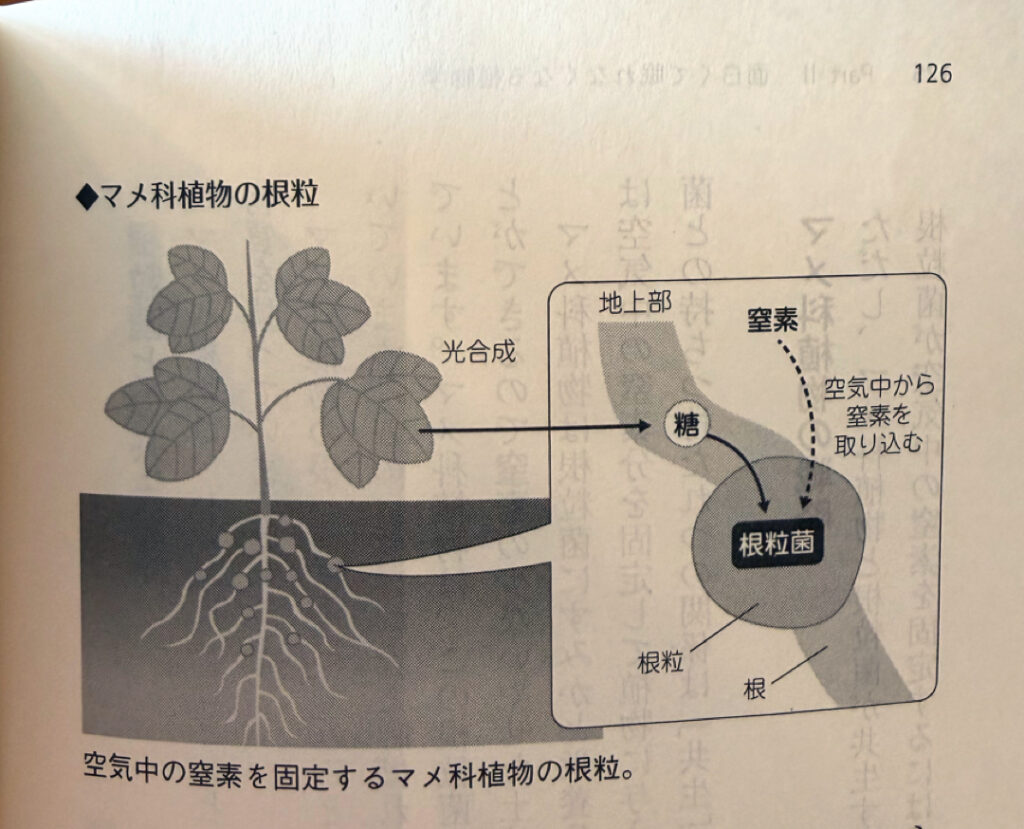
マメ科は空気中の窒素を、根粒にいる根粒菌の働きで固定できるので、窒素の少ない土地でも育てる。
Legumes can fix nitrogen straight from the air through the root-nodule bacteria living in their roots, so they can be grown even in nitrogen-poor soil.
仕組みを明示するなら:
Legumes host nitrogen-fixing bacteria in their root nodules, which convert nitrogen from the air into a form the plant can use—so they thrive even where the soil is poor in nitrogen.
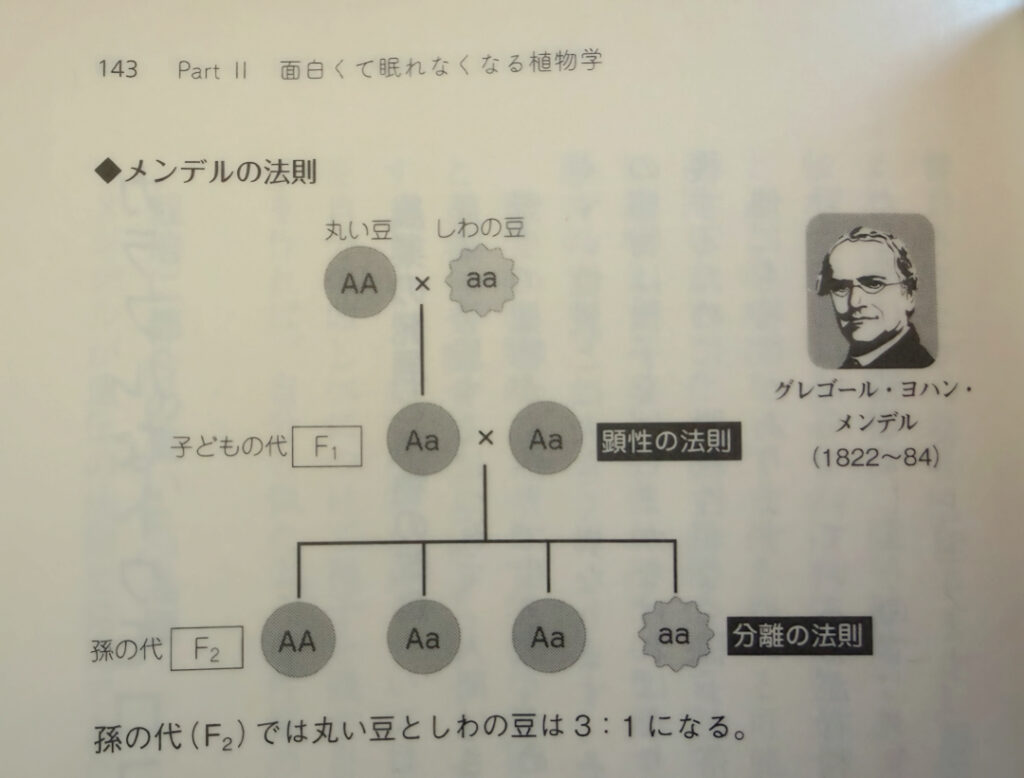
メンデルの法則 / Mendel’s Laws
メンデルの法則 / Mendel’s Laws
丸い豆 round seed A(優性/dominant)× シワの豆 wrinkled seed a(劣性/recessive)
F1(雑種第一代 / First filial generation)
AA × aa → すべて Aa(丸い豆 / round seeds)
All offspring are Aa (round). → 顕性の法則 / Law of Dominance
F2(雑種第二代 / Second filial generation)
Aa × Aa遺伝子型 / Genotype → AA : Aa : aa = 1 : 2 : 1
表現型 / Phenotype → 丸い豆 round : シワの豆 wrinkled = 3 : 1 → 分離の法則 / Law of Segregation
優性の法則 / Law of Dominance:F1では優性形質(丸)だけが現れる。Only the dominant trait (round) appears in F1.
分離の法則 / Law of Segregation:配偶子形成時に対立遺伝子が分離し、F2で3:1に現れる。Alleles separate during gamete formation, appearing 3:1 in F2.
人間はさまざまに植物を改良してきました。
Humans have improved plants through breeding.
脱粒性 / Seed shattering
野生植物は種子が熟すと穂から落ちて散布されます(子孫を広げる適応)。しかし栽培では種が落ちると収穫しにくいため、人間は脱粒しにくい性質を選抜してきました。
Wild seeds fall when ripe to spread offspring, but this makes harvesting hard. So humans selected for non-shattering types.
発芽時期 / Germination timing
野生植物は発芽時期をばらばらにずらします。災害で一部が失敗しても別の時期の個体が生き残るためです(リスク分散)。一方、栽培では発芽が揃う方が、管理・収穫を一度にでき有利です。
Wild plants stagger germination so some survive disasters (risk-spreading). In cultivation, uniform germination is better for managing and harvesting all at once.
揃っているF1品種が栽培には好まれます。
Uniform F1 varieties are preferred for cultivation.
F1品種は遺伝子型がすべて Aa で揃うため、形質(草丈・収量・成熟期など)が均一になります。これは栽培管理や収穫の効率に有利です。
Because all F1 plants share the same genotype (Aa), their traits — such as height, yield, and maturity timing — are uniform, which makes cultivation and harvesting more efficient.
まとめ / Summary
野生では「ばらつき」、栽培では「揃い」が有利。
In the wild, variability helps; in cultivation, uniformity helps.
Dr. Kame: Let’s take a moment to reflect on uniformity.
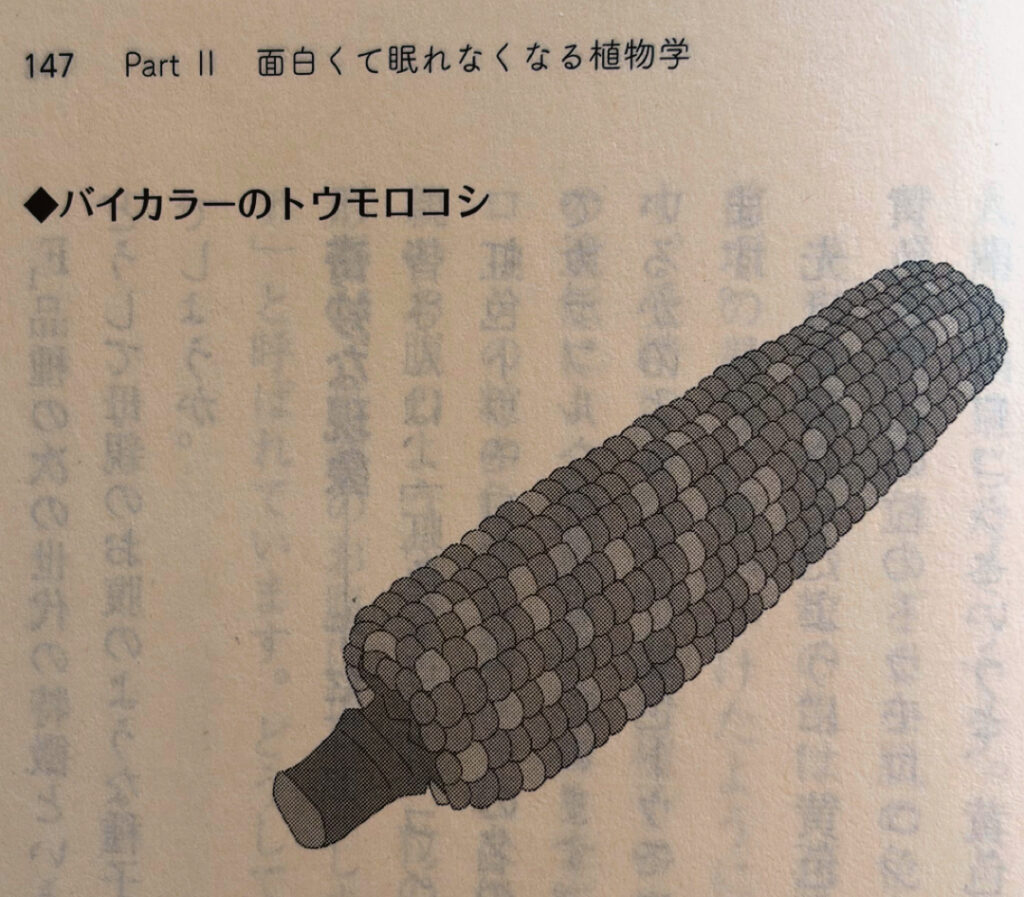
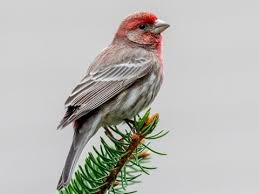
恐竜がいた頃哺乳類は夜行性で赤色はよく見えなかった。そんな中私たちの先祖のサルが赤色が見えるようになった
Most mammals are dichromats (two color receptors) and see a more limited color range, which is the legacy of that nocturnal period—they didn’t lose red perception entirely, but their color discrimination is reduced. Primates (specifically Old World monkeys and apes, our lineage) re-evolved trichromatic vision—a third cone sensitive to longer wavelengths—which restored sharp red-green discrimination. A leading hypothesis links this to spotting ripe red/orange fruit or young red leaves against green foliage