Integrated Movement
What can we learn from martial artists? The art of balancing yin and yang within the body – Aiki (合気)Method
From a small, quiet source deep inside, they generate ripples that travel through bone, ligament, tendon, and muscle — turning minimum effort into maximum effect.
“
“Integrated movement (連動性) is what creates maximum effect. Imagine your body as one continuous elastic band — not a collection of separate muscles waiting for commands."
Tomoyo Sennnin, Zennnes Dojo
https://www.instagram.com/reel/DXB0EcnzOop/?igsh=bWJxaWN4dm5qdHB3
Translation by Ai Kakuta
Why would integrated movement (連動性) matter?
Because it is how the body is meant to move. When the whole body works as one, you live longer, feel lighter, and move through the years with less pain and fewer health issues. And this — this principle of working with the whole, not the part — is exactly how acupuncturists use the meridian channels.
How do I begin training my body?
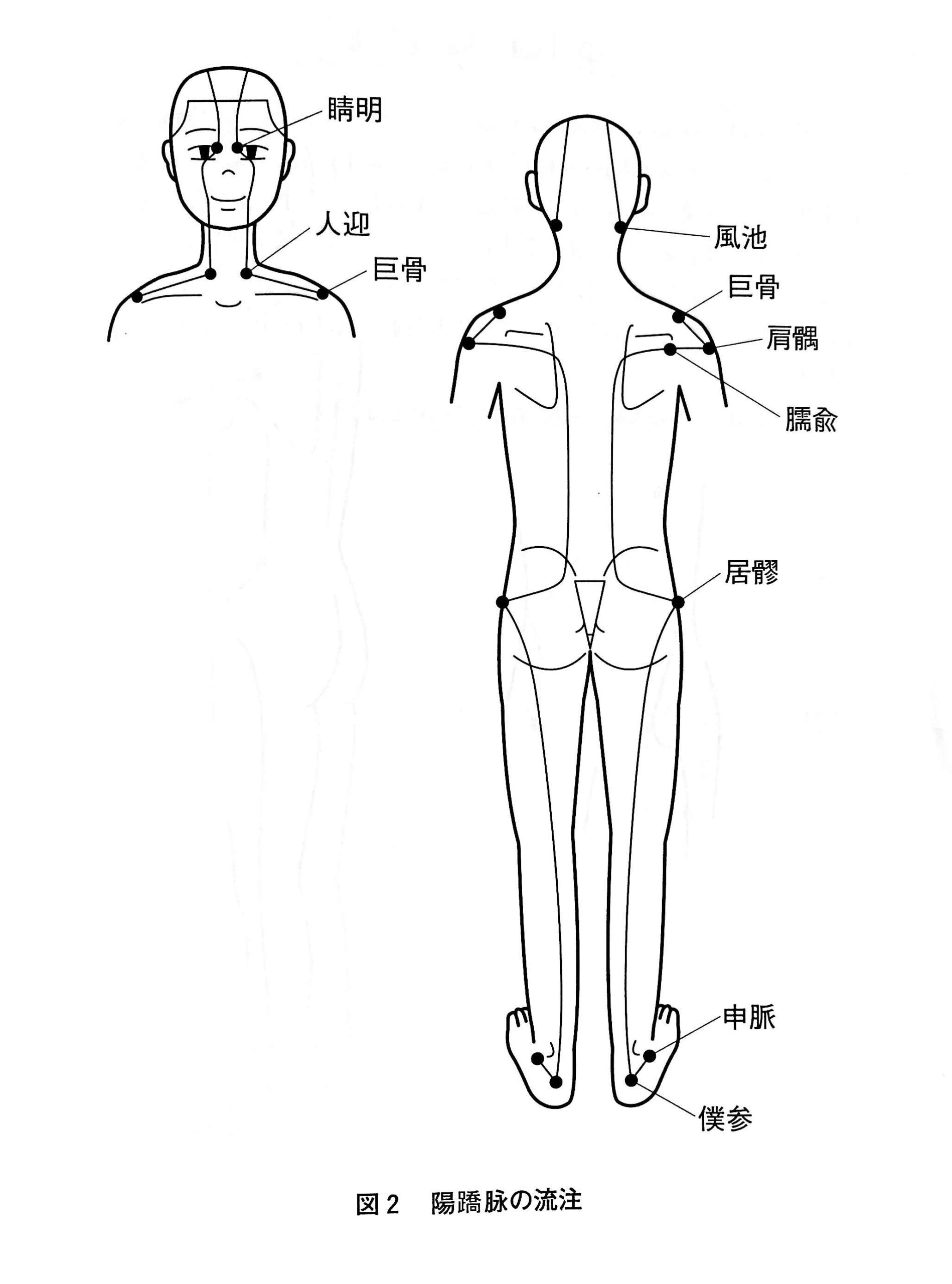
We start with two meridian channels that quietly shape every step you take: Yokyo (陽蹺脈) and Yinkyo (陰蹺脈) — the Yang and Yin Motility Vessels. As these two awaken and come into balance, the body begins to move as one.
Aiki Method
Try this!
Kyo Balance
Stand as if mid-step. Bring your left leg forward and your right leg back. The back (right) foot rests with the heel lifted, weight on the ball of the foot. The front (left) foot rests on the heel — toes lifted toward the ceiling. Now find your balance.
The trainer Daiki Tanaka helps people use the body more effectively. He instructs, “Feel the ground with intention — through the back of the foot.” From the traditional Japanese perspective, this movement activates both the Yōkyō (陽蹺) and Inkyō (陰蹺) meridian channels.
https://www.instagram.com/reel/DXLAtJAEwDZ/?igsh=MWVwaWE5OGowNTJsZg==