July 2026
A space for those who feel called to study the ancient wisdom as guardians of this living practice.
Oka
Jocho
Oka says,「理性だけでは本質に届かない。情緒こそが物事の核心を感じ取る力である」“Reason alone cannot reach the essence of things. It is jōcho that perceives the core of reality,”
情(じょう) — heart radical 忄 + 青 (“Blue, pure”); the true, unfeigned state within the heart. Root sense: genuine feeling, truth.
緒(しょ/ちょ) — 糸 “thread” + 者 (sound); the end of a thread, hence a beginning or clue.
情緒 — the thread-tip of true feeling.
情(じょう)
- 構成:「忄(りっしんべん=心)」+「青」
- 「青」は本来「清らかで澄んだ」という意味を持ち、音も表す(形声文字)
- もとの意味は**「心の中にある偽りのない、ありのままの状態」**
- そこから「まこと」「ありのままの様子」「感情」「事情」などの意味に広がった
- 古典中国語では「人の本性」「物事の真実の姿」を指す重い言葉でもあった
緒(しょ/ちょ)
- 構成:「糸」+「者(音を表す)」
- もとの意味は**「糸の端」「糸口」**
- 巻かれた糸を解きほぐす時の最初の一本、つまり「始まり」「手がかり」を表す
- 「端緒(たんしょ)」「由緒(ゆいしょ)」「緒に就く(しょにつく)」などに残る
Jocho:「情緒」とは感情(怒り・喜びなど気分の揺れ)とは別物で、物事の奥にある本質を静かに感じ取る知的な働き。Jocho is distinct from emotion (anger, joy, mood swings). It refers to a quiet act for perceiving the essence beneath the surface of things.
Reason:理性は情報を集めて整理する道具にすぎず、最終的に「これが本質だ」と選び取るのは情緒。Reason is a tool for gathering and organizing information; what ultimately selects “this is the essence” is Jocho.
P10
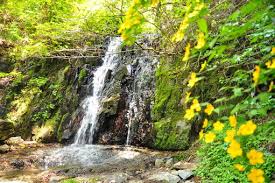
ほろほろと 山吹散るか 滝の音 芭蕉
Softly
Petals of yellow mountain rose
Sound of the waterfall
物語はこうです。武陵(今の湖南省あたり)の漁師が、谷川をさかのぼるうち、両岸が桃の花で埋め尽くされた林に迷い込みます。花の尽きるところに山があり、その洞窟をくぐり抜けると、外界とまったく隔絶された村里が広がっていた。そこでは秦の戦乱を逃れた人々の子孫が、外の世界の移り変わりも知らぬまま、争いなく穏やかに暮らしていた——という話です。漁師はもてなしを受けて帰りますが、二度とその地を見つけることはできませんでした。
情緒の調和。心というと色彩が感じられないから情緒という言葉を選んだ。
情緒は広く知、情、意、および感覚の各分野にわたって分布してる。
Jōcho is not confined to any single faculty; it spreads across them all—intellect (知), emotion (情), will (意), and sensation (感覚) alike.
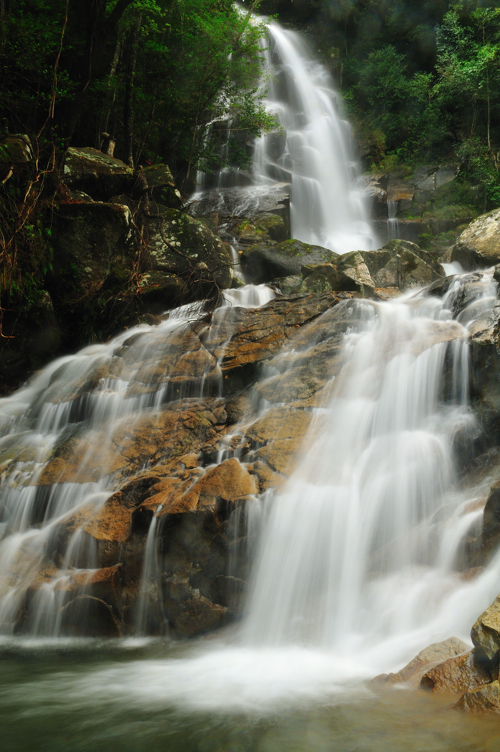
荒滝や満山(まんざん)の若葉みな震(ふる)ふ
読み:あらたきや まんざんのわかば みなふるう
A wild waterfall—
the young leaves of the mountain,
trembling.
物質の運動。
生命保険は肉体という物質にかけた保険。
生命保険は肉体という物質にかけた保険。 — Life insurance is insurance placed upon the body, that mere matter.
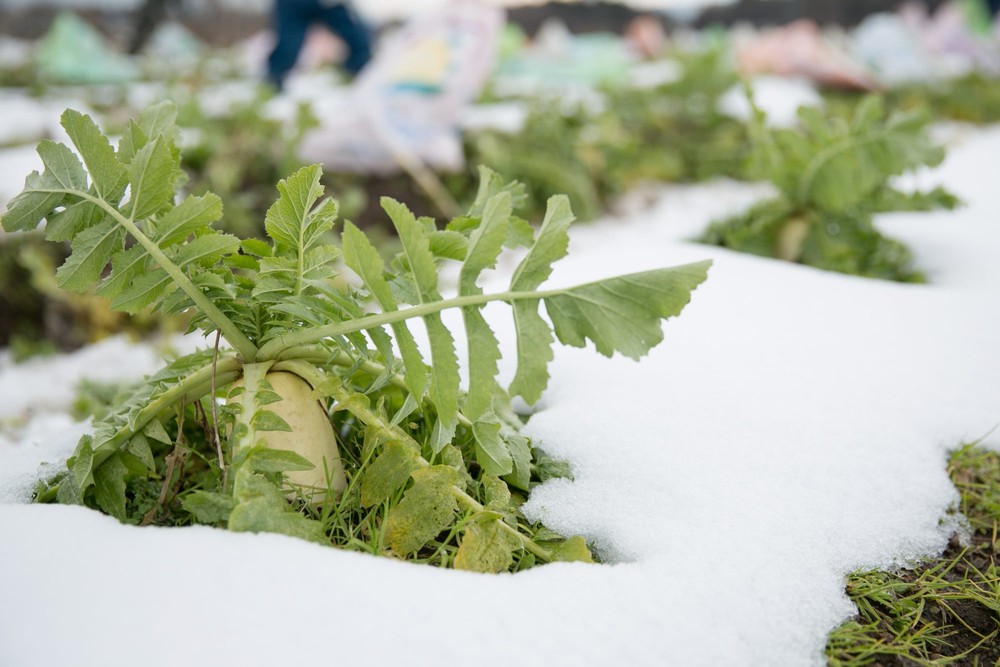
電車の外に見える冬枯れている中の、緑の大根畑。情緒。日々生き甲斐を感じる。皆情緒が生きている。
Beyond the train window, amid the winter-withered land, a green field of daikon radishes. Jōcho.
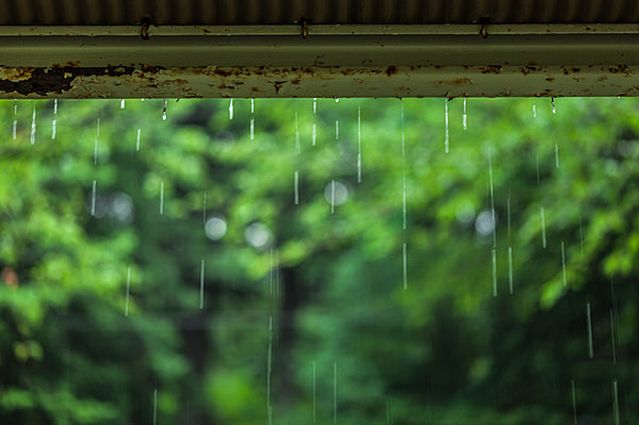
聞くままに また心なき 身にしあらば おのれなりけり 軒の玉水
Listening
to the water dripping from the roof—
had I no heart to feel,
then I myself would be
that jewel-water, falling.
聞く「私」と聞かれる「音」との境が溶けていく。心を無くしたと思ったその瞬間に、かえって自分と玉水とが一つになっている
Taitoku 体得
体得(たいとく)── 漢字の由来
体(體)
旧字は「體」。「骨(ほね)」+「豊(豊かに整う)」から成り、骨格の整った全身、すなわち「からだ」を表します。転じて「身をもって~する」「本質・実体」の意も持つようになりました。
得
甲骨文では「貝(財貨)」を「手(又)」で掴み取る形で、原義は「手に入れる・獲得する」。のちに「彳(行く)」が加わり、道を行って財を得るさまを表しました。さらに転じて「会得する・understanding に至る」の意が生じます。
体得の成り立ち
「体(身をもって)」+「得(会得する)」。頭だけの理解ではなく、身体を通して実地に習得し、自分のものにすることを指します。禅や武道では特に重んじられ、「知解(ちげ)=頭でわかること」と対比されます。合気道の「型」や茶道の所作の反復は、まさにこの体得を目的とした営みと言えるでしょう。
In English, briefly: 体得 means to master something through the body — to internalize or embody it — as opposed to 知解, mere intellectual understanding. “Knowing with the body.”
“The power to pour one’s heart into the flower is weak.”
学問は人を抜きにして考えているのではないだろうか。 — Does education think while leaving the human being out?
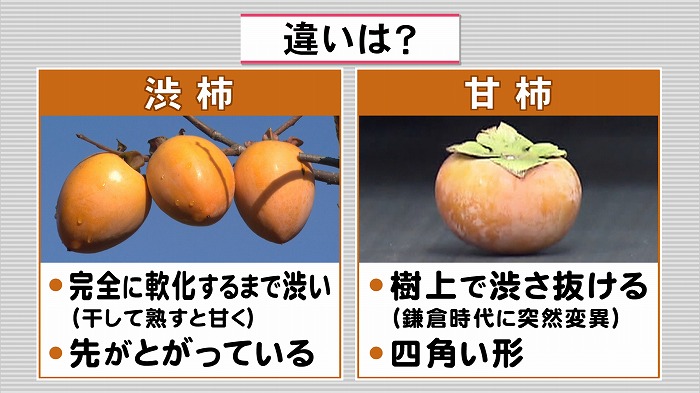
人は動物だが、渋柿の台木に甘柿の芽をついだようなもの。 — We are animals, yet like a sweet-persimmon scion grafted onto astringent-persimmon rootstock.
芽ならなんでもいい?早く育てばいい? — But is any bud good enough? Is it enough that it simply grows fast?
渋柿の芽は甘柿の芽よりずっと早く成長するから成熟がはやい事に対して警戒。 — The astringent bud grows far faster than the sweet one—so we should be wary of maturing too early.
女性の初潮が戦後、三年早くなった。人間性を抑えて動物性を伸ばした結果か。3歳から5歳頃に自分の感情、他人の感情が微かにわかるようになる。 — After the war, girls’ first menstruation came three years earlier. Was this the result of suppressing our humanity and drawing out our animal nature? It is around ages three to five that a child begins faintly to sense its own feelings, and the feelings of others.
植物でも茎、枝、葉が伸びる時期が違うのは戦争時代カボチャを作ったから知っている。 — Even in plants, stem, branch, and leaf each grow in their own season—I know this from raising pumpkins in the war years.
人の心を知らなければ粗雑になる。観念的に物をいう。心配りがない。 — Without knowing the human heart, one grows crude: speaking in abstractions, void of care for others.
Chimitsu:
緻密(ちみつ) は、細部までゆきとどいて、きめが細かく、すきのないさま。「緻」も「密」もすきまなく詰まっている・こまやかの意で、二字が重なって「細かく詰まっていて精密」という意味になります。緻密な計画、緻密な描写、緻密な頭脳のように、注意が細部まで行き届き、論理や作りに乱れやほころびがない状態をいいます。 — finely details, meticulous, without a gap.
緻(きめこまかい)
糸偏(いとへん)=「糸」+「致」から成る形声文字。糸偏は織物・糸に関わることを示し、「致」が音を表します。もともと織物の織り目が細かく、きっちり詰まっていることを指し、そこから「きめが細かい・こまやか」の意になりました。糸を密に織り込むイメージが字の根にあります。 — the “thread” radical: cloth woven fine and tight.
密(すきまがない・こまやか)
「宀(うかんむり)=家・おおい」+「宓(ヒツ/音)」+「山」から成るとされる字。もとは山が茂り、樹木がびっしり生えて奥深いさまを表したといわれ、そこから「すきまなく詰まっている・こまやか・ひそか」の意へ広がりました。「密林」「緻密」の密です。 — densely grown, without a gap.
この二字が合わさって 緻密 =「織り目のように細かく、すきまなく詰まっている」となります。
Sozatsu:
粗雑(そざつ) は、あらっぽく、いいかげんで、細部への注意が欠けているさま。「粗」はあらい・大まか、「雑」はまじりけがあって整っていない・ぞんざいの意で、二字で「あらっぽく雑然としている」という意味になります。粗雑な仕事、粗雑な議論のように、注意や手間が不足して詰めが甘く、ほころびや誤りが残る状態をさします。 — crude, careless, slack in its details.
粗(あらい)
米偏(こめへん)=「米」+「且(ソ/音)」から成る形声文字。もとは、精げ(しらげ)ていない、ついていない玄米のような、つぶの大きいあらい米を指しました。そこから「あらい・大まか・そまつ」の意へ広がりました。字の根に「精米されていない、きめのあらい穀物」のイメージがあります。 — unrefined grain, coarse in texture.
雑(まじる・入りみだれる)
もとの旧字は 雜。「衣」と「集(あつまる/音にも関わる)」などから成り、いろいろな色の布をつぎ合わせる、さまざまなものが寄り集まってまじりあうさまを表したとされます。そこから「まじる・入りまじる・雑然・ぞんざい」の意になりました。 — many things mixed together, jumbled.
緻密さが欠けるのはいっさいものが欠けている。
Thoughts in France: Haiku
俳句はわずが17字。どうやって評価するのだろう。良い句が10あれば名人。これを目標にどうやって生きるのか。
薄氷の上に全体重を託すようなこと。
価値判断が違う。
古い人:四季それぞれ良い。時雨の良さがよくわかる。
それぞれ皆よい。深さに限りがない。価値評価の対象とするものが情緒。
現在:夏は愉快だが冬は陰惨。青い空は美しい。
他を悪いとしなければ一つを良いとできない。刺激をだんだん強くしてゆかなければ同じ印象を受けない。
7/6/2026
Thoughts in France: Haiku
俳句はわずが17字。どうやって評価するのだろう。良い句が10あれば名人。これを目標にどうやって生きるのか。
薄氷の上に全体重を託すようなこと。
価値判断が違う。
古い人:四季それぞれ良い。時雨の良さがよくわかる。
それぞれ皆よい。深さに限りがない。価値評価の対象とするものが情緒。
現在:夏は愉快だが冬は陰惨。青い空は美しい。
他を悪いとしなければ一つを良いとできない。刺激をだんだん強くしてゆかなければ同じ印象を受けない。
A haiku is just seventeen characters. How do you even judge one? If you have ten good ones, you’re a master. How do you live your life with that as your goal? It’s like entrusting your whole weight to thin ice.
The measure of value is different.
The old sensibility: each of the four seasons is good. You understand the beauty of the passing winter shower. Every one of them is good, without limit to its depth. What is held up for evaluation is jōcho—feeling, emotional tone.
The present sensibility: summer is delightful but winter is bleak. The blue sky is beautiful. You can only call one thing good by calling the rest bad. And the stimulation has to keep growing stronger, or you no longer feel the same impression.
This is Oka Kiyoshi’s contrast, isn’t it—the older aesthetic of jōcho against the modern habit of ranking and escalation. Want me to refine the phrasing, or set it in versioned options (literal → literary → polished)?
Inagaki Botany
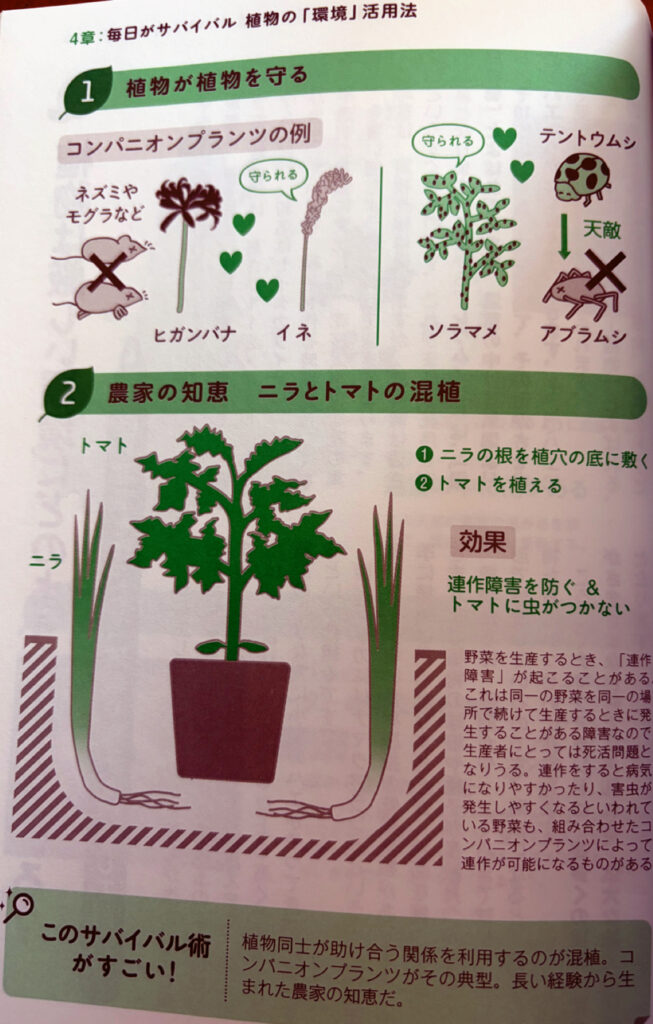
Companion Plants
Higan-bana (彼岸花, red spider lily) — The bulbs contain toxic alkaloids (lycorine). Because of this poison, the plant was deliberately grown along the ridges and banks of rice paddies (畦, aze) and around fields.
Rice / paddy (稲, ine) — The paddy banks hold the water in and must not be dug through or collapsed. Anything that burrows into them threatens the whole field.
Mice/rats and moles (ネズミ・モグラ) — These animals tunnel into the paddy banks, weakening them and causing leaks. The point of the spider lily was to repel them: the toxic bulbs discouraged rats, moles, and other burrowing pests from digging into the banks. In effect, the flower served as a living, poisonous barrier protecting the paddy.
Broad beans / fava beans (そら豆, sora-mame) — In spring, the tender growing tips and undersides of the leaves attract aphids. Broad beans are one of the crops most notoriously covered in aphids.
Aphids (アブラムシ, abura-mushi) — Tiny sap-sucking insects that cluster in dense colonies on the shoots and leaves, weakening the plant and spreading disease. They multiply explosively, often crowding the tips of the beans black or green.
Ladybugs / ladybirds (てんとう虫, tentō-mushi) — Voracious predators of aphids. Both the adult beetles and their larvae eat aphids in large numbers—a single ladybug can consume hundreds. So where aphids gather on the broad beans, ladybugs follow.
So the connection is: aphids swarm the tender shoots of broad beans, and ladybugs come to eat them—a natural predator-and-prey pairing.
Tomato (トマト, tomato) — Susceptible to soil-borne diseases, especially wilt diseases like Fusarium and bacterial wilt that enter through the roots and can kill the plant.
Chinese chives / garlic chives (にら, nira) — Their roots host beneficial microbes (a Pseudomonas bacterium) and the chives themselves give off antibacterial compounds. Grown alongside tomatoes—especially with their roots close together—they help suppress the soil pathogens that cause tomato wilt disease.
7/6/2026
光合成
二酸化炭素と水
太陽エネルギーを使って糖を作る。
動き回る必要がない。
酸素は光合成をする工場の廃棄物。
それを美味しそうに吸う人間。
高度なテクノロジーでも光合成を再現できない。
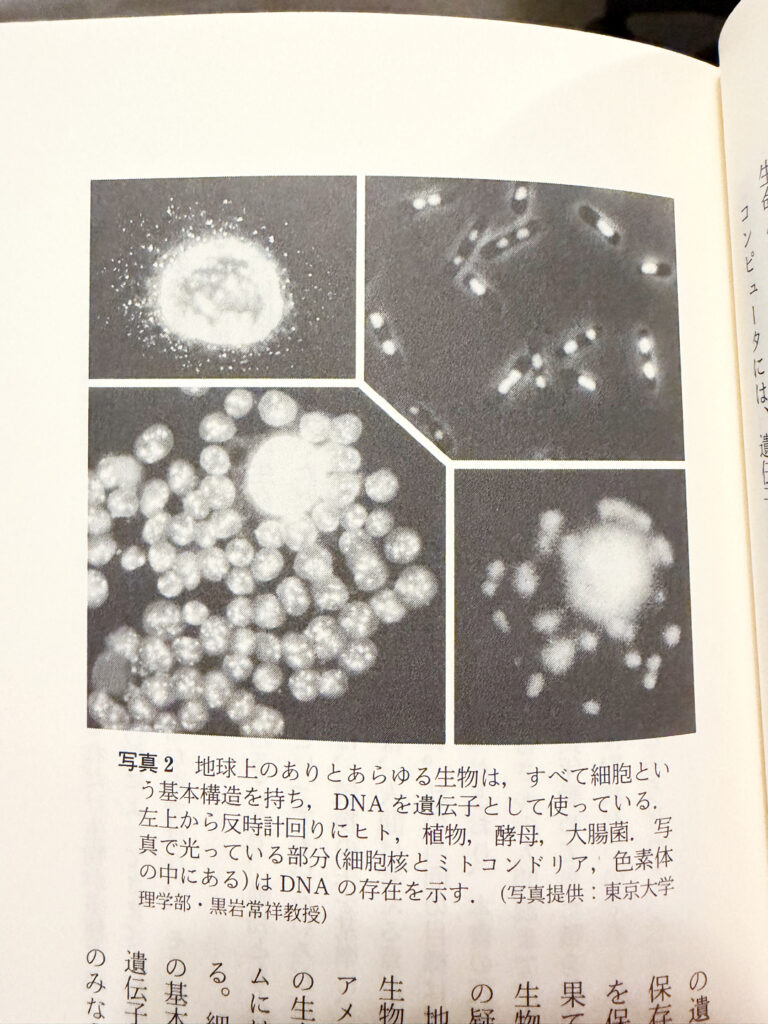
植物の先祖が単細胞生物を取り込んだ。独自のDNAを持ち分裂して増殖。まるで独立した生物だ。
酸素は猛毒。酸化させてボロボロに。27億年前、この猛毒は現れる。光合成を行う生物が出現したからだ。環境汚染のようなもの。
酸素呼吸でエネルギーを作り出すミトコンドリアの起源。
Photosynthesis.
Using carbon dioxide, water, and solar energy to make sugar. No need to move around. Oxygen is just the waste product of the photosynthesis factory—and humans breathe it in like it’s delicious. Even advanced technology can’t reproduce photosynthesis.
The ancestor of plants took in a single-celled organism. It has its own DNA, and divides and multiplies—as if it were an independent creature.
Oxygen is a deadly poison. It oxidizes things and breaks them down. 2.7 billion years ago, this poison appeared—because organisms that perform photosynthesis emerged. It was a kind of environmental pollution.
The origin of the mitochondrion, which produces energy through oxygen respiration.
7月8日 Oka
野のすみれはただすみれのように咲けばいい。
九九を子守唄のように覚えてしまった。他のことが馬鹿みたいに簡単に思えた。
字を覚える力は小学校の後になると減る。
努力しなくても覚え覚えたら忘れない。
現在の教育は水が溜まるバケツ。知能。
Potential エナジー。
Kinetic energy.として教えるのが自然ではないとか。水の勢いが弱くなったり、少し泥があって止まったり。
解けなかった問題は4つだけ。
本を買った、読まなかった。本棚ごと売って旅行に行った。
数学の研究は日付を入れる、それを封筒に入れて日付をつける。癖。平均三ページ。二年で2000。それから20ページの論文を書く。
どうやって数学の問題を解決するか。
マチスの展示会。フランスからインスピレーションは取れないと思っていたが。
そして芭蕉の詩の勉強をした。
問題の3分の2は解けた。これで次の世代にバトンが渡せる。
The violet in the field need only bloom as a violet does.
I learned the multiplication tables like a lullaby. Everything else then seemed absurdly easy.
The power to memorize characters declines after elementary school. You commit things to memory without effort, and once learned, you never forget.
Today’s education is a bucket that fills with water.
Potential energy.
Teaching it as kinetic energy isn’t natural, or so they say. The current of the water weakens, or a little mud gets in and it stops.
There were only four problems I couldn’t solve.
I bought books but didn’t read them. I sold the whole bookcase and went traveling.
My method of mathematical research: I put a date on it, put it in an envelope, and date the envelope. A habit. Three pages on average. Two thousand in two years. Then I write a twenty-page paper.
How does one solve a mathematical problem?
The Matisse exhibition. I hadn’t thought France could give me inspiration
And then I studied Bashō’s poetry.
I solved two-thirds of the problems. With this, I can pass the baton to the next generation.
7月8日 Tsukaya Botany
死ぬ
枯れる
音楽を聴くとか電極に反応するとかは本質ではない。
会話ができる!=生きている。
コンピュータが持っていないもの。ゲムノ。
植物はクローンが生まれる。
ソメイヨシノ。お花見。
彼岸花。
竹。
彼岸花や水仙は地下で球根が繋がっているので個がわかりにくい。
クローンは滅びやすい?決して苦労してるようには見えない。それではなんでわざわざ有性生殖するのか。
すごい戦闘ロボットができたらコピーする。それは外的環境が変化しないから。
ウイルスのような早い進化。
たねをしまっておく。
でもただただいいわけではない。
To die.
To wither.
Listening to music, or responding to electrodes—these are not the essence. Being able to converse! = being alive. Something a computer does not have. The genome.
Plants produce clones. Somei-Yoshino cherry. Cherry-blossom viewing. Red spider lily (higanbana). Bamboo. With higanbana and narcissus, the bulbs are connected underground, so it’s hard to tell where the individual begins and ends.
Are clones prone to perishing? They certainly don’t look like they’re struggling. So then why go to all the trouble of sexual reproduction?
If you built an amazing battle robot, you’d copy it. That works because the external environment doesn’t change. But viruses evolve fast.
You keep seeds in storage.
Still—it isn’t simply, purely good.
7/12/2026
春の心
出発点にある問題意識
現代人は「刺激を増やすほど想像力が高まる」と思い込んでいる。新しい情報・人間関係・目標を絶えず求め、退屈を感じた瞬間に強いきっかけを探そうとする。だが、この前提こそが静かに脳をすり減らしている。刺激を増やすほど思考は深くなるどころか浅く速く流れ、活発に見えても同じ場所を回っているだけになる。やる気に頼るほど、やる気のない時間を敵として扱うようになる。 More stimulation makes thought shallower and faster, not deeper — active-looking but circling the same spot.
脳は本来ゆっくり積み上げる器官であり、同じ方向を見続ける時間があるほど神経の結びつきは密になる。強い刺激はその結びつきを途中で切り、思考を細切れにする。 The brain builds slowly; strong stimulation severs connections mid-formation and fragments thought.
頼るべきは、やる気ではなく「懐かしさに似た静かな春の心」——胸が高鳴るのではなく、深く息をつきたくなるような落ち着いた感覚である。それは新しさではなく、自分の中に前からあったものに触れた時に生じる。退屈を増やせという話ではなく、静けさの中で確かに自分の関心が温まっていく状態を大事にするということだ。
The “spring mind” (haru no kokoro): not excitement but a quiet, familiar warmth — the soil in which imagination slowly deepens.
興奮より静かな好奇心を選ぶ
心が跳ね上がる瞬間より、落ち着いて知りたいと思う気持ちを土台にする。興奮は心を一気に前へ押し出すがすぐ燃え尽き、静かな好奇心は歩みは遅いが同じ方向へ長く進む。 Excitement burns out fast; quiet curiosity is slow but travels the same direction for long.
脳は強い刺激を受けると視野を狭め即座の反応を優先する(敵から身を守る仕組み)。この状態では離れた事柄を結び直すのが難しくなる。想像とは本来、離れたもの同士を結び直す働きであり、興奮はむしろ邪魔になる。静かな好奇心の時、脳は広い範囲をゆっくり見渡し、関連する記憶を急がず探して組み換える。 Imagination is the re-linking of distant things — a work that excitement, with its narrowed field, actually obstructs.
夏のじりじりではなく、じわり溶けていく春の日差しのような心持ち。学びや仕事を始める前に、今の自分の心が興奮か静かな好奇心かをそっと確かめ、「何が分かると面白いか」だけを探し、その問いが見つかった時だけ手を動かす。 Not the glare of summer but the thawing warmth of spring — start only once the question “what would be interesting to understand?” has surfaced.
懐かしさを判断の軸にする
新しさより「どこか懐かしい感じ」を基準に選ぶ。懐かしさとはただの思い出ではなく、長い間繰り返し触れてきたものと目の前のものが重なった時に生じる——脳内では古い回路と新しい刺激が同じ場所で響き合った状態だ。この時、思考は過去の蓄えを土台に進むので一歩ごとに深さが増す。 Familiarity (natsukashisa) arises when the long-touched and the present overlap — old circuits and new stimulus resonating in the same place.
Natsukashii「懐」は、
「懐」は、忄(りっしんべん=心/heart radical)+「褱」から成る**形声文字(phono-semantic compound)**です。
**褱(かい)**の成り立ちには諸説ありますが、有力なのは——衣(ころも/garment)の中に目と涙を表す部分が挟まれた形で、「衣のふところに何かを包み隠す」「涙をこらえて胸に抱く」という情景を示すというもの。つまり字の原義から既に、to hold something concealed against the breastという意味が含まれています。
そこに「心(heart/mind)」を加えた「懐」は:
- ふところ(bosom, breast pocket)
- 抱く・いだく(懐抱 — to embrace, to cherish)
- 思いを胸に抱いて慕う(懐古 = to long for the past/述懐 = to unburden one’s thoughts/懐郷 = homesickness, nostalgia for one’s native place)
- なつく・なつける(懐柔 — to win over, to pacify)
**訓読み「なつかしい」は、和語「なつく(懐く)」の形容詞形。古語の「なつかし」は本来「心が引かれて離れがたい」= drawn to something and reluctant to leave it という現在形の情(a present-tense feeling)**で、過去への追憶(retrospective longing)の意味は中世以降に強まったものです。『源氏物語』などでは、人や香りに対して「なつかし」=親しみを感じて心惹かれる、の用法が主です。
つまり「懐かしさ」は、**胸に抱いて離さない(holding close to the breast)**という漢字の情景と、心が引き寄せられる(being drawn in)という和語の情が重なったところに生まれた語。英語の nostalgia が語源的に「帰郷の痛み(nostos + algos)」であるのに対し、「なつかしさ」は痛みではなく親しみと引力が核にある——ここが両語の質的な違いです。時間的な「昔恋しい」はむしろ後発の層です。
新しさだけを基準にすると毎回ほぼ拍子の状態から始めることになり、経験は増えても結びつきが育たない。ただし、昔好きだったものに閉じこもれという意味ではない。新しいものに触れる時、その中に懐かしい要素を探して軸にする。春に新芽が出る時も、根は冬の間ずっと土の中で続いている。 The surface changes, but underneath runs a continuous thread — new shoots in spring, roots that never stopped through winter.
選ぶ時は「どちらが得か・注目されているか」ではなく「どちらが昔からの自分の問いにつながるか」を見る。子供の頃夢中になったこと、長く頭から離れなかった話題を思い出し、響き合う要素に静かに重心を置く。 Choose by “which connects to my own long-standing question,” not by gain or attention
7/15
OKA
一気に進まず反復で深める
長時間一度きりの集中より、短い時間を何度も繰り返す。脳は同じ対象に繰り返し触れて初めて安定した回路を作る。一度目は形をなぞるだけ、二度目で見落としが見え、三度目でようやく前回との違いが分かり自分なりの問いが生まれる。想像に必要なのは一度の長さではなく、何度戻ったかという回数だ。 What imagination needs is not the length of one sitting but the number of returns.
一気に進もうとすると「今日はここまで」という量に縛られ、心は内容より進んだ量を気にし始める。その達成感は翌日にはほとんど残らない。花は一晩で咲かず、何日もかけて形が整う。 Chasing volume, the brain chooses to move on even without understanding — a satisfaction that leaves nothing by morning.
反復のもう一つの働き——日をまたぐ間に無意識の領域が前日の情報を静かに組み換える。翌日戻ると昨日見えなかった筋道が自然に感じられる。少し難しい部分を選び、今日と明日の二日間、短くていいから向き合い、二日目にどこが違って見えるかを見比べてみる。 Across the night, the unconscious quietly reorganizes — the sudden clarity of day two is the fruit of repetition, not insight.
― 思考は静かな情から生まれる
冷たい頭だけでなく、落ち着いた情の上に思考を乗せる。人の心はまず情が動き、その後に考えがついてくる。順番を取り違えると、どれだけ考えても筋の通った結論に届きにくい。 Feeling moves first, thought follows — reverse the order and no amount of thinking reaches a coherent end.
情が荒れている時、脳は危険回避を優先し、長期より短期の安全を選ぶ。「本当は何をしたいか」より「今ここから逃れたい」が前に出て、下した判断は後から見ると浅く感じられる。情が静まっている時、脳は状況を少し離れた位置から眺められる。喜びも怒りも消す必要はなく、波が高く立たず滑らかに揺れている状態でよい。 Not the absence of joy or anger — only waves that swell smoothly rather than break high.
情を押し込めるのではなく、考える前に「今どんな情が立っているか」を先に確かめる。情と考えの関係は土と芽の関係に似ている——乾きすぎてもぬかるみすぎても芽はまっすぐ伸びない。何かを決めようとして頭がざわついた時、その場で結論を出さず「今自分の情は何色に近いか」を心の中で尋ね、その色が薄くなるまで息を吐いて待つ。 Feeling is soil, thought is the shoot: too dry or too sodden, and nothing grows straight.
― 環境より視点の細かさを整える
完璧な環境を求めるより、今ある場で「何を見るか」を細かく決める。環境を整えるほど基準は厳しくなり、少しの物音や不便で思考を中断したくなる。脳にとって大事なのは環境の完璧さではなく注意の向け先の細かさだ。見る対象を細かく絞ると、雑音は同じだけあっても意味を持たなくなる。 What matters is not a perfect environment but the fineness of attention’s aim — narrow the object, and the same noise stops meaning anything.
極端にうるさい場所は確かに思考を削るので、環境調整は最初の一度で止め、あとは「何を見るか」だけを調整対象にする。視点を細かくするとは対象を小さく区切ること。広いテーマをそのまま抱えると脳はどこから手をつけるか分からず、別の刺激を探し始める。 Adjust the room once; after that, adjust only what you look at.
広い風景を一度に撮ろうとするとどこもぼやけるが、小さな花だけに焦点を合わせれば細部がはっきり映る。「全部を理解しよう」ではなく「今日はこの一段落だけ、この一つの図だけ」と対象を最小の塊に区切り、その間だけは周りの不完全さを条件から外すと心に決める。 Deciding what to crop turns the same place into an entirely different world.
― 他人の評価より問いの質を整える
評価されるかより、自分がどんな問いを持っているかを大事にする。評価は多くの場合「分かりやすさと速さ」で決まり、深い問いほど最初は形になりにくく停滞に見える。評価を優先すると無意識に浅くて分かりやすい問いを選び始める。想像の高さは答えの派手さではなく、出発点の問いの深さで決まる。 Praise rewards legibility and speed; deep questions look like stagnation at first. Imagination’s height is set by the depth of the starting question, not the flash of the answer.
評価を完全に無視せよという話ではない。評価は結果の確認にとどめ、方向を決める役にしてはならない。方向は問いが決め、評価は後から点検するだけでよい。良い問いとは答えが一度で決まらず、見直すたびに新しい角度が現れるもの。同じ問いを抱え続けることで脳内に太い道筋ができ、後から入る経験が自然と引き寄せられる。 Let the question set direction; let evaluation only verify results afterward.
良い問いは川の源流のようで、最初は細くても集まり続けてやがて大きな川になる。「早く終わらせるための問い」か「広く結びつけるための問い」かを見分け、前者だと気づいたら「これは他のどんな分野と関係していそうか」と角度を変えて問い直す。 A good question is a headwater — thin and unremarkable at first, but the shape of the world it opens is decided at the source.
― 終わり方で思考の質が決まる
どれだけ長く続けたかより、どこで区切ったかが次の思考を決める。脳は途中で区切られた問いを抱えたまま、静かにその続きを探し続ける。完全にやり切ったと感じた瞬間、探究の回路は閉じる。だから少しだけ物足りないところで区切ると、無意識がその隙間を埋めようとして働き続け、それが翌日のひらめきの下地になる。 The moment you feel finished, the seeking circuit closes. Stop just short, and the unconscious keeps working the gap all night.
疲れきるまで続けると脳はその対象を負担として覚え、次に向き合う時「またあの重さが来る」と入り口で足が止まる。やる気に頼るとは、実はこの重さを毎回押し返そうとすることだ。 Relying on motivation is, in truth, shoving back that remembered heaviness every single time.
中途半端で投げ出せという意味ではない。区切る時に「今日ここまで進んだ」という静かな満足と「ここから先を明日見たい」という小さな物足りなさを同時に残す。終わりを逃げではなく次への橋として扱う。疲れきる手前、まだ少し続けられそうな地点をあらかじめ終点にし、明日見る場所を心の中で一箇所だけ決めておく。 Leave both at once: quiet satisfaction, and a small wanting-more. Treat the ending not as escape but as a bridge.
Inagaki
イルカと鯨の違いは大きさで説明される。植物と動物はもっと違うようだが、葉緑体で光合成を行うこと。細胞壁を持っていること。植物の先祖は単細胞生物だった。太陽を浴びて養分を作るから細胞が大きい方が有利。一個の細胞では限界。背が高くなりどんどん光を浴びて大きくなっていく植物。積むためにはある程度固くないといけない。動物は動かなくてはいけないから細胞壁があると動きにくい
Dolphins and whales are distinguished by size. Plants and animals seem more different, but the distinctions are: performing photosynthesis with chloroplasts, and having cell walls.
The ancestors of plants were single-celled organisms. Since they make nutrients by bathing in sunlight, larger cells are advantageous. But a single cell has its limits. So plants grew taller, catching more and more light and getting bigger. To stack up, they must be rigid to some degree. Animals must move, so cell walls would make movement difficult.
Dr. Kame
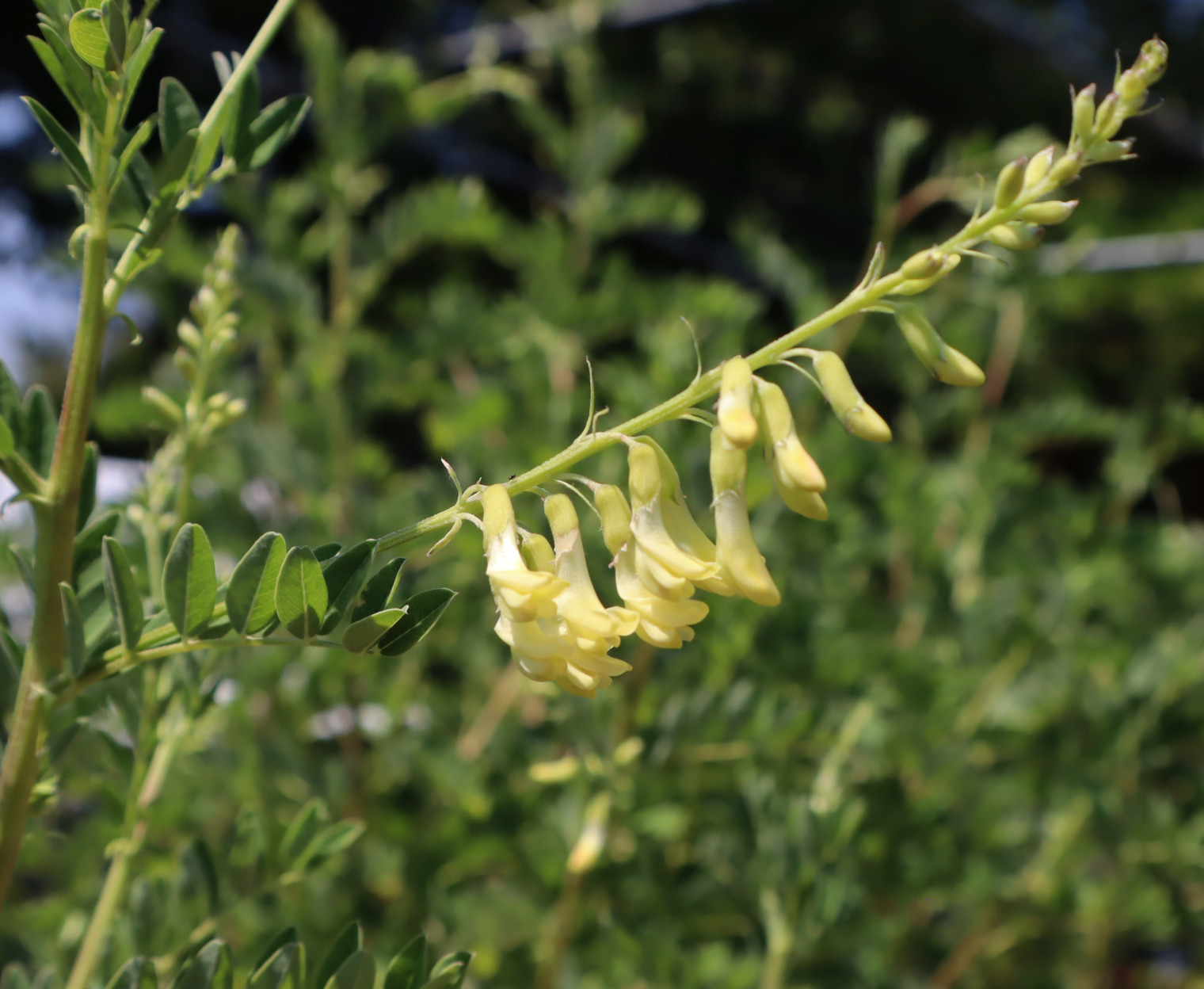
黄耆 Huang Qi / Ōgi (Astragalus membranaceus / A. mongholicus)
育つ環境 — Growing Environment
- 原産地は中国北部・内モンゴル・山西省・甘粛省、および東北アジア(モンゴル、シベリア、朝鮮半島)— native to northern China and Northeast Asia
- 標高800〜2000mの乾燥した草原・砂質土壌の斜面 — dry grasslands and sandy slopes at 800–2000 m elevation
- 排水の良い砂壌土が必須 (well-drained sandy loam)。過湿を嫌い根腐れ (root rot) を起こす
- 耐寒性が強く冬季−30℃にも耐える。日照を好む陽生植物 (heliophyte / sun-loving)
- 深根性 (deep taproot) で主根は1m以上。この直根が薬用部位 — the taproot is the medicinal part
- 播種から収穫まで4〜6年。山西省の「綿黄耆」、内モンゴルの「蒙古黄耆」が上品
受粉 — Pollination
- マメ科 (Fabaceae) の蝶形花 (papilionaceous flower):旗弁 standard、翼弁 wings、竜骨弁 keel
- 主にマルハナバチ (bumblebee) による虫媒 (entomophily)。蜂の重みで竜骨弁が押し下げられ、雄蕊・雌蕊が露出して腹面に花粉が付く — the bee’s weight depresses the keel, exposing stamens and pistil
- 自家和合性 (self-compatible) はあるが、他家受粉 (cross-pollination) で結実率が高まる
- 根粒菌 (Rhizobium) と共生し窒素固定 (nitrogen fixation) を行うため痩せ地でも育つ
漢方 — Herbal Medicine
- 性味:甘・微温 sweet, slightly warm / 帰経:脾・肺 Spleen, Lung
- 効能:補気升陽 (tonify Qi, raise Yang)、益衛固表 (augment Wei Qi, secure the exterior)、利水消腫 (promote urination, reduce edema)、托毒生肌 (expel toxin, generate flesh)
- 代表方剤 — Representative formulas:
- 補中益気湯 Bu Zhong Yi Qi Tang / Hochuekkito(李東垣『脾胃論』)— 中気下陥 (sinking of Middle Qi)、気虚発熱に。黄耆が君薬 chief herb
- 玉屏風散 Yu Ping Feng San — 衛気虚の自汗 (spontaneous sweating)・易感冒に
- 当帰補血湯 Dang Gui Bu Xue Tang — 黄耆5:当帰1。血虚発熱に。有形の血は無形の気より生ず — tangible Blood is generated from intangible Qi
- 黄耆建中湯 Huang Qi Jian Zhong Tang(『金匱要略』)— 虚労裏急に
- 防已黄耆湯 Fang Ji Huang Qi Tang — 気虚の水腫・多汗肥満に
- 生用 raw = 固表利水托瘡、炙用 honey-fried = 補中益気に偏る
- 主成分:astragaloside IV、cycloastragenol、多糖類 polysaccharides (APS)、フラボノイド flavonoids — 免疫調節 immunomodulation・抗炎症・強心・利尿作用の報告
7/22/2026
犬。Dog Story
ねこ。Cat Story
お坊さん。Monk Story
― 環境より視点の細かさを整える
完璧な環境を求めるより、今ある場で「何を見るか」を細かく決める。環境を整えるほど基準は厳しくなり、少しの物音や不便で思考を中断したくなる。脳にとって大事なのは環境の完璧さではなく注意の向け先の細かさだ。見る対象を細かく絞ると、雑音は同じだけあっても意味を持たなくなる。 What matters is not a perfect environment but the fineness of attention’s aim — narrow the object, and the same noise stops meaning anything.
極端にうるさい場所は確かに思考を削るので、環境調整は最初の一度で止め、あとは「何を見るか」だけを調整対象にする。視点を細かくするとは対象を小さく区切ること。広いテーマをそのまま抱えると脳はどこから手をつけるか分からず、別の刺激を探し始める。 Adjust the room once; after that, adjust only what you look at.
広い風景を一度に撮ろうとするとどこもぼやけるが、小さな花だけに焦点を合わせれば細部がはっきり映る。「全部を理解しよう」ではなく「今日はこの一段落だけ、この一つの図だけ」と対象を最小の塊に区切り、その間だけは周りの不完全さを条件から外すと心に決める。 Deciding what to crop turns the same place into an entirely different world.
― 他人の評価より問いの質を整える
評価されるかより、自分がどんな問いを持っているかを大事にする。評価は多くの場合「分かりやすさと速さ」で決まり、深い問いほど最初は形になりにくく停滞に見える。評価を優先すると無意識に浅くて分かりやすい問いを選び始める。想像の高さは答えの派手さではなく、出発点の問いの深さで決まる。 Praise rewards legibility and speed; deep questions look like stagnation at first. Imagination’s height is set by the depth of the starting question, not the flash of the answer.
評価を完全に無視せよという話ではない。評価は結果の確認にとどめ、方向を決める役にしてはならない。方向は問いが決め、評価は後から点検するだけでよい。良い問いとは答えが一度で決まらず、見直すたびに新しい角度が現れるもの。同じ問いを抱え続けることで脳内に太い道筋ができ、後から入る経験が自然と引き寄せられる。 Let the question set direction; let evaluation only verify results afterward.
良い問いは川の源流のようで、最初は細くても集まり続けてやがて大きな川になる。「早く終わらせるための問い」か「広く結びつけるための問い」かを見分け、前者だと気づいたら「これは他のどんな分野と関係していそうか」と角度を変えて問い直す。 A good question is a headwater — thin and unremarkable at first, but the shape of the world it opens is decided at the source.
― 終わり方で思考の質が決まる
どれだけ長く続けたかより、どこで区切ったかが次の思考を決める。脳は途中で区切られた問いを抱えたまま、静かにその続きを探し続ける。完全にやり切ったと感じた瞬間、探究の回路は閉じる。だから少しだけ物足りないところで区切ると、無意識がその隙間を埋めようとして働き続け、それが翌日のひらめきの下地になる。 The moment you feel finished, the seeking circuit closes. Stop just short, and the unconscious keeps working the gap all night.
疲れきるまで続けると脳はその対象を負担として覚え、次に向き合う時「またあの重さが来る」と入り口で足が止まる。やる気に頼るとは、実はこの重さを毎回押し返そうとすることだ。 Relying on motivation is, in truth, shoving back that remembered heaviness every single time.
中途半端で投げ出せという意味ではない。区切る時に「今日ここまで進んだ」という静かな満足と「ここから先を明日見たい」という小さな物足りなさを同時に残す。終わりを逃げではなく次への橋として扱う。疲れきる手前、まだ少し続けられそうな地点をあらかじめ終点にし、明日見る場所を心の中で一箇所だけ決めておく。 Leave both at once: quiet satisfaction, and a small wanting-more. Treat the ending not as escape but as a bridge.
Oka`s Understanding Layers
1)形式的 Keishiki
2)意味 Imi:Meaning at deeper
3)意義 Igi:
4)体得 Taitoku
「体得」(たいとく)
体で得る、つまり頭で理解するのではなく、身体を通して会得すること。知識として知るのではなく、実践や経験の積み重ねを通して、身に染み込むように習得する状態。
Taitoku — knowing through the body, not the head. Understanding that seeps in through practice until it becomes part of you.
岡潔の思想と深く響き合う言葉です。岡が説く「情緒」や内的基準の内面化も、理屈で理解するのではなく、体得によってはじめて生きたものになる。彼は数学の発見すら、論理の前に「わかる」という体得的な直観が先立つと語っています。
語源
- 体(會意・形声):「骨」+「豊」。全身・全人的な存在としての「からだ」。単なる肉体ではない。 Tai = the whole person, not just flesh.
- 得(會意):「彳」(道を行く)+「貝」(財貨)+「寸」(手)。道で財を手に入れる様子。「体得」では外的獲得が内的・全身的な獲得へと転じる。 Toku = to grasp on the road; here, turned inward.